3 hr
Hong Kong Street Food & Cultural Discovery Tour
- Entry ticket
- Mobile voucher
- Valid same day
- Free cancellation
Hong Kong Walking Food Tour — Guided Street Food Walks in Central
Steam rises from bamboo baskets, neon hums above the lane.
Compare fares, pick the fit — all bookings are mobile-voucher and eligible for free cancellation where shown.
3 hr
2 hr
6 hr
Selecting the right hong kong walking food tour depends on whether you prefer a deep dive into specific culinary districts or a broader cultural overview. These guided city attraction tours provide curated access to local eateries, ensuring you sample authentic flavors without the guesswork of navigation.
|
Top pick Small Group Tour Shared Experience |
Private Custom Tour Personalized Schedule | |
|---|---|---|
| Duration | 3–4 Hours | Flexible |
| Group Size | Max 8–12 Guests | Exclusive (1+ Guests) |
| Food Inclusions | 10–15+ Tastings | Customized Menu |
| Access Method | Walking (Guided) | Walking (Guided) |
| Best for | First-timers | Private Groups |
| See tickets & prices |
Verdict: First-time visitors should prioritize our small-group hong kong walking food tour tickets for the best balance of social engagement and local culinary discovery.
Worth it for first-timers, skippable for repeat eaters
A hong kong walking food tour costs whatever the operator charges — the streets themselves are free, open 00:00–23:59, and the Central and Western District needs no entrance fee at 0 HKD. What you're buying is decoding: which cha chaan teng window actually turns over stock, why the roasted goose hangs where it does, how to order dim sum without pointing blindly. The bookable list here ranges from pure food routes like the Culinary Walking Tour with Dim Sum & Roasted Goose to hybrid days pairing the Peak Tram with local cuisine, plus context-heavy Central routes on politics and subdivided housing. If you land with no Cantonese and two days, guided street food tasting compresses a week of trial and error. If you've eaten your way through Sham Shui Po before, you're paying for company. Arrive 10:00–18:00 when vendors are actually stocked.
Bottom line: Book the hong kong walking food tour if it's your first trip and you want the city's eating logic handed to you; otherwise walk Central yourself and spend the money on more roasted goose.
They complement each other; most visitors who do both call the guided experience the more insightful journey into local culinary traditions.
|
Top pick Guided Food Tour |
Self-Guided Exploration | |
|---|---|---|
| Navigational ease | Led by local expert | Requires independent map usage |
| Cultural and historical depth | In-depth culinary narratives | Brief signage information |
| Access to hidden gems | Exclusive vendor introductions | Mainstream street stalls only |
| Vendor interaction | Facilitated by guide | Limited to basic transactions |
| Flexibility of pace | Fixed group schedule | Fully independent timing |
| Cost efficiency | Higher; includes curated tastings | Lower; pay as you go |
| See tickets & prices |
Verdict: Opt for the hong kong walking food tour to secure deeper cultural insights through hong kong walking food tour tours, or choose self-directed wandering to browse central district landmarks at your own speed using hong kong walking food tour tickets.
Hand-picked experiences loved by thousands of travelers
2 hours
Free Cancellation
Explore Hong Kong's financial heart with a local guide who shares insights on governance, heritage, and urban living
3 hours
Free Cancellation
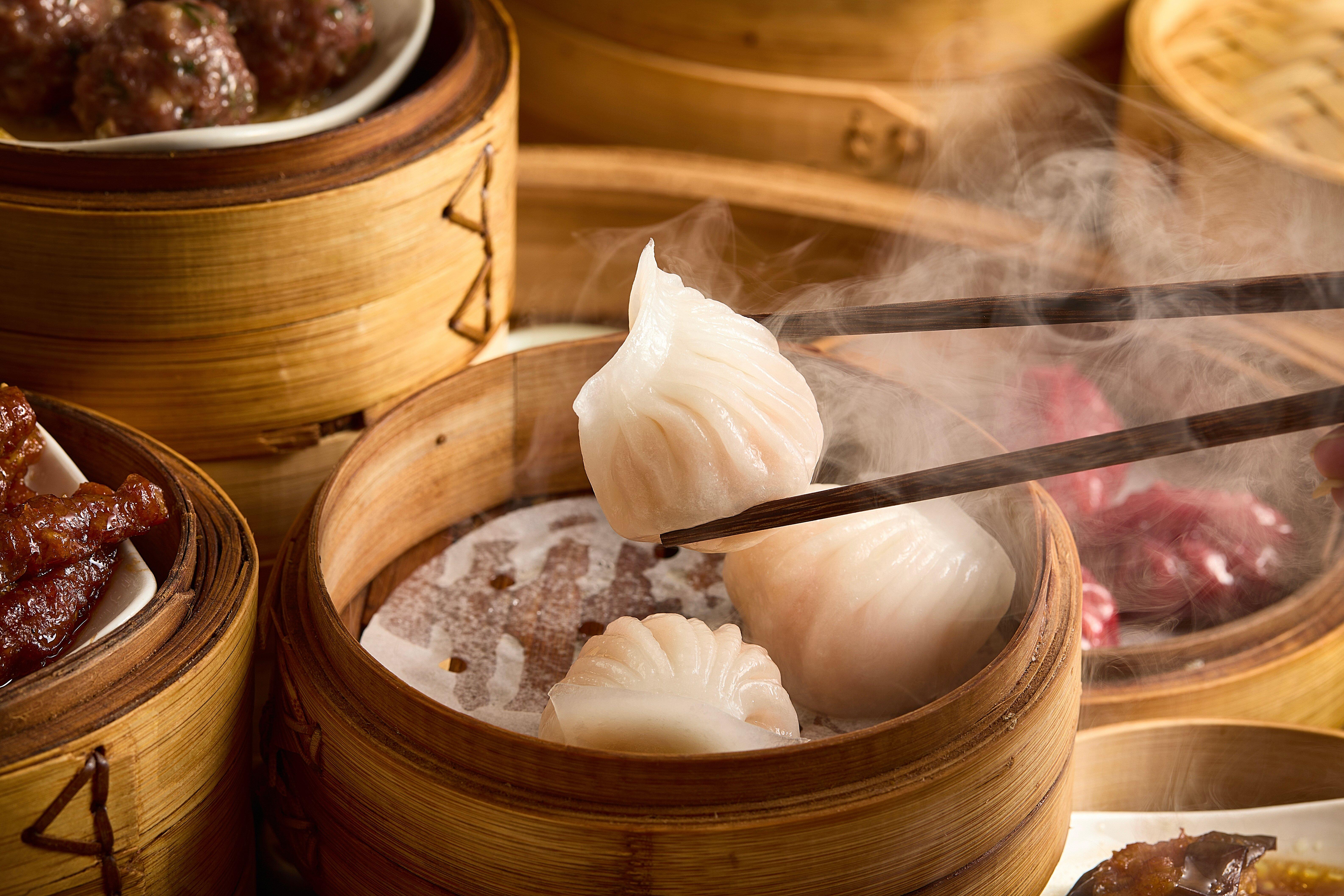
Explore Hong Kong's culinary heritage through 7+ tastings at authentic local eateries on this guided food adventure
4-5 hours
Free Cancellation
Savor Michelin-recognized street food across three iconic Kowloon districts on this evening walk
2 to 6 hours
Free Cancellation
Discover Hong Kong's vibrant streets and hidden treasures on a fully customized walking adventure
4 hours
Free Cancellation
Discover authentic Hong Kong flavors on a personalized culinary journey through vibrant neighborhoods
Discover and reserve guided tours, cultural attractions, and unique activities for your travels
2 to 8 hours
Free Cancellation
Navigate Hong Kong's vibrant streets with your own personal guide on a fully tailored walking adventure
4 to 5 hours
Free Cancellation
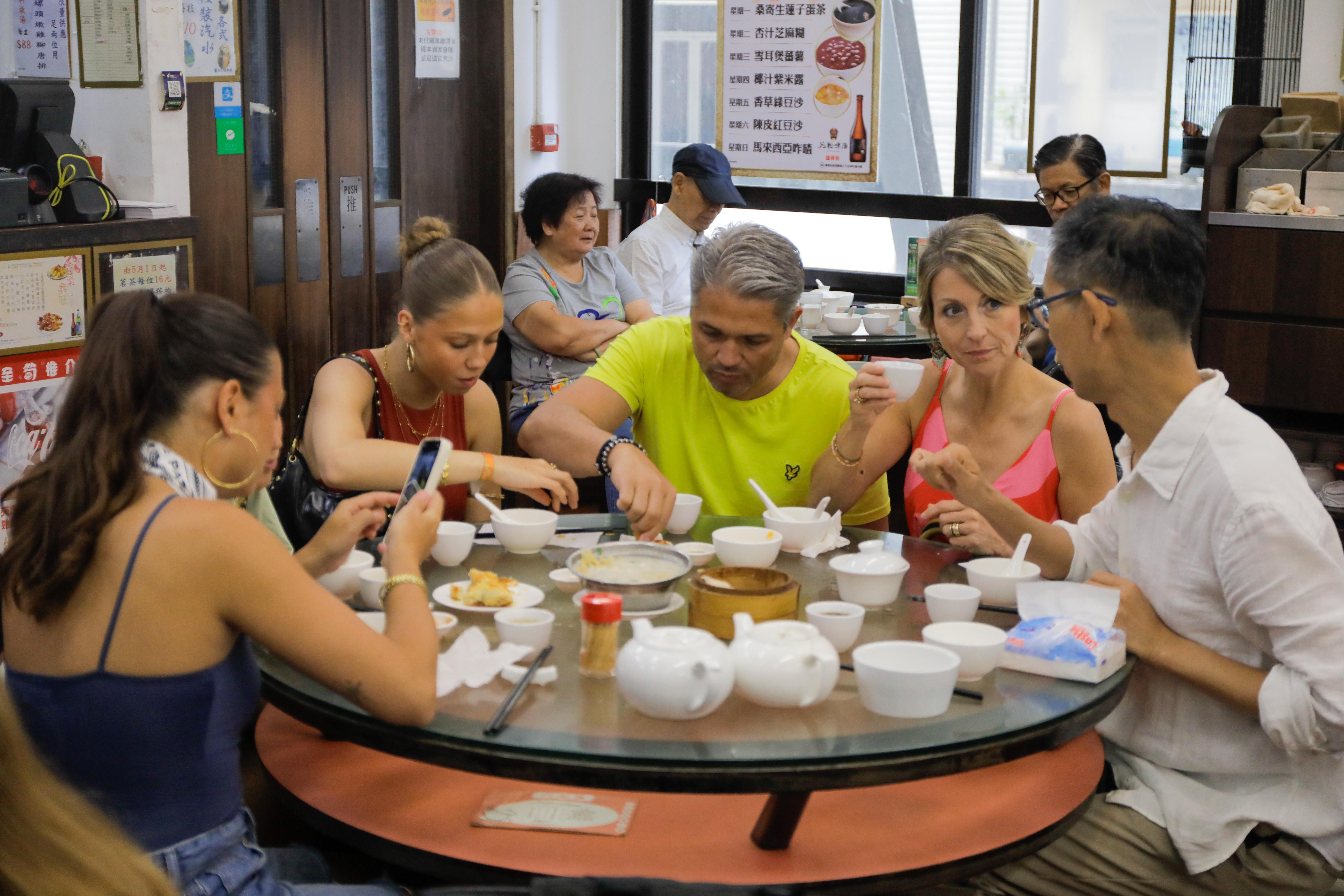
Explore authentic Cantonese cuisine with a local guide through historic neighborhoods and iconic eateries
Meet guide and learn about Cantonese culinary history.
Experience traditional tea house service and etiquette.
Visit local vendors for seasonal snacks and tea.
Explore heritage architecture near old colonial sites.
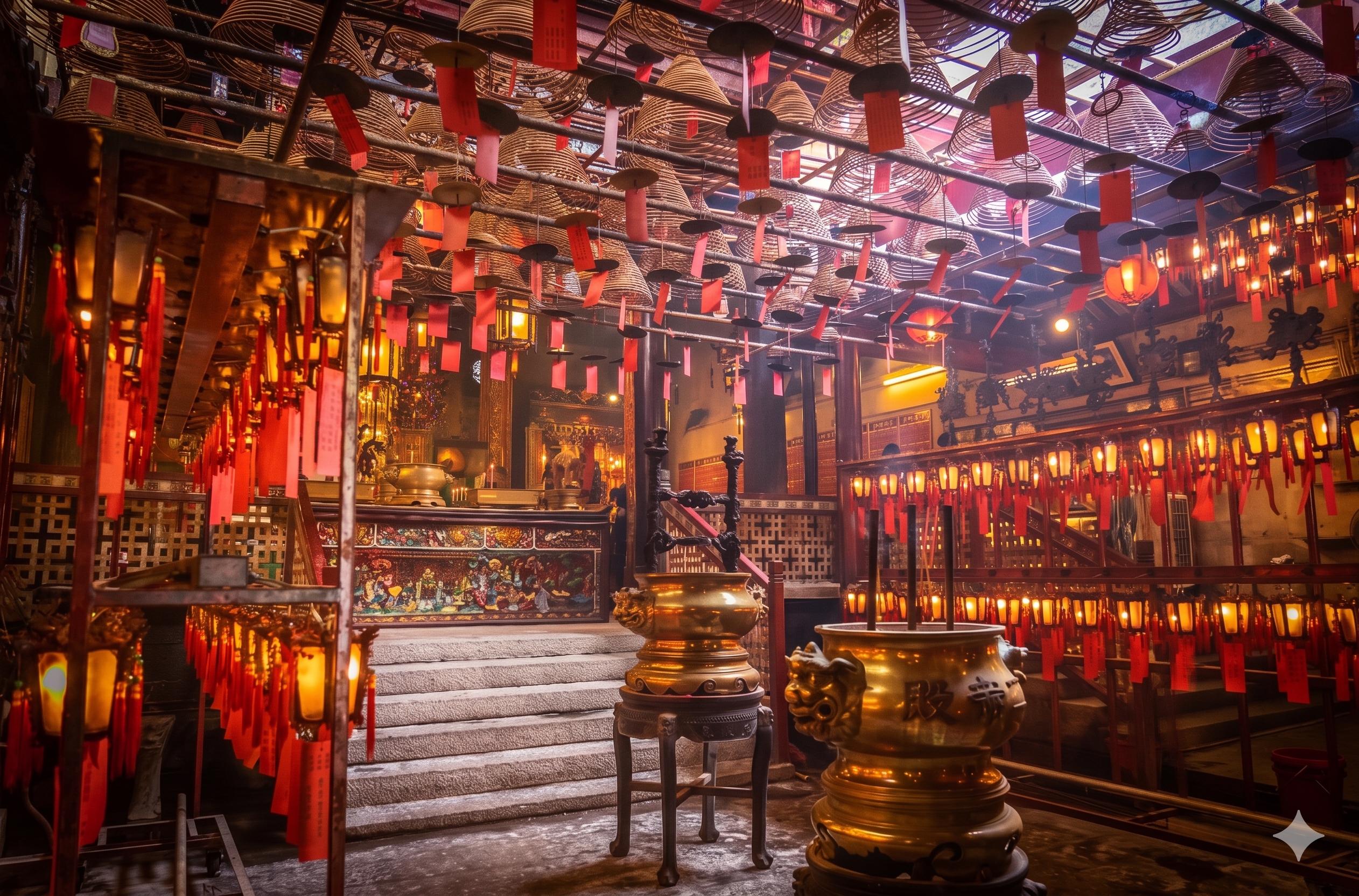
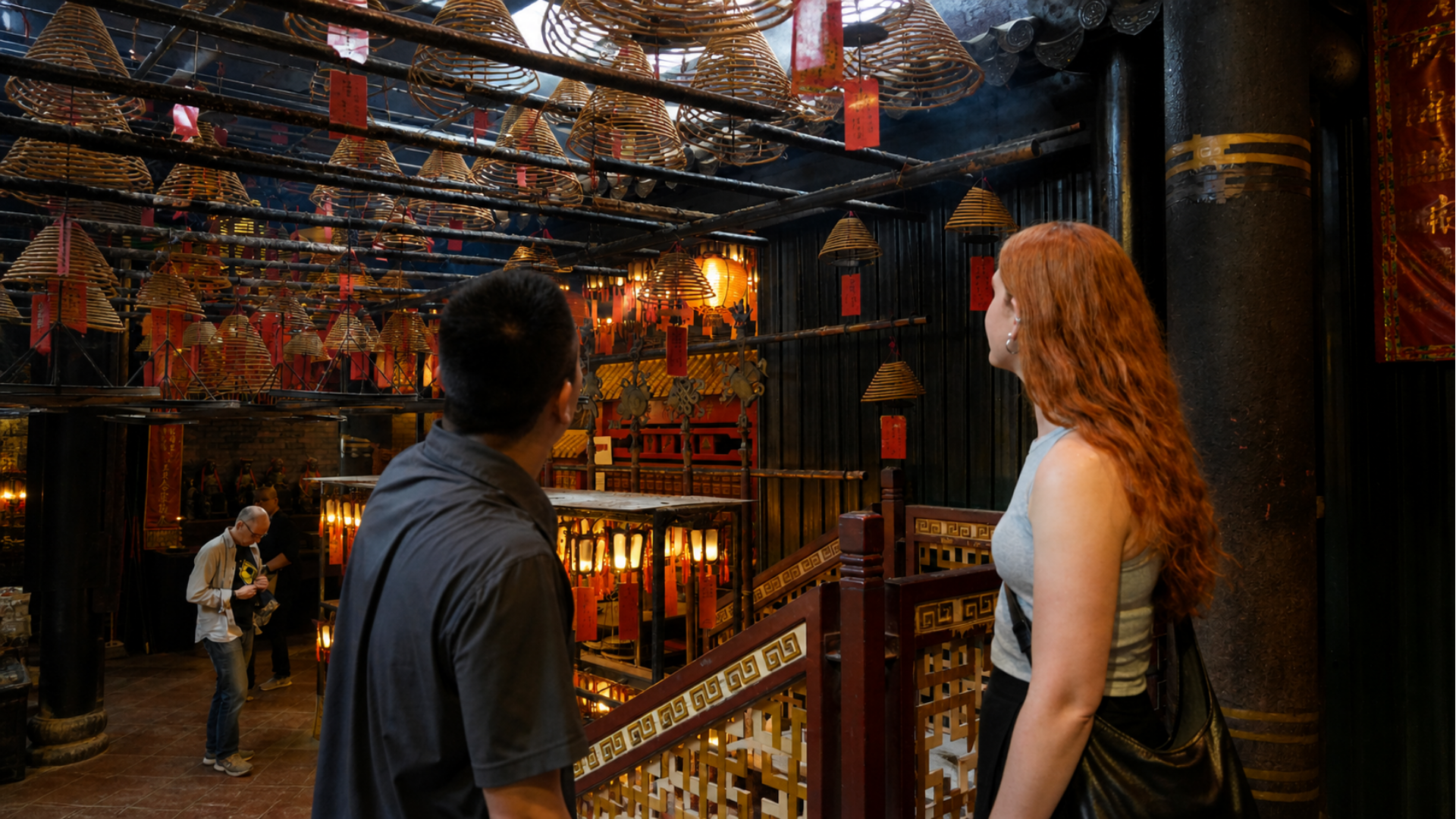
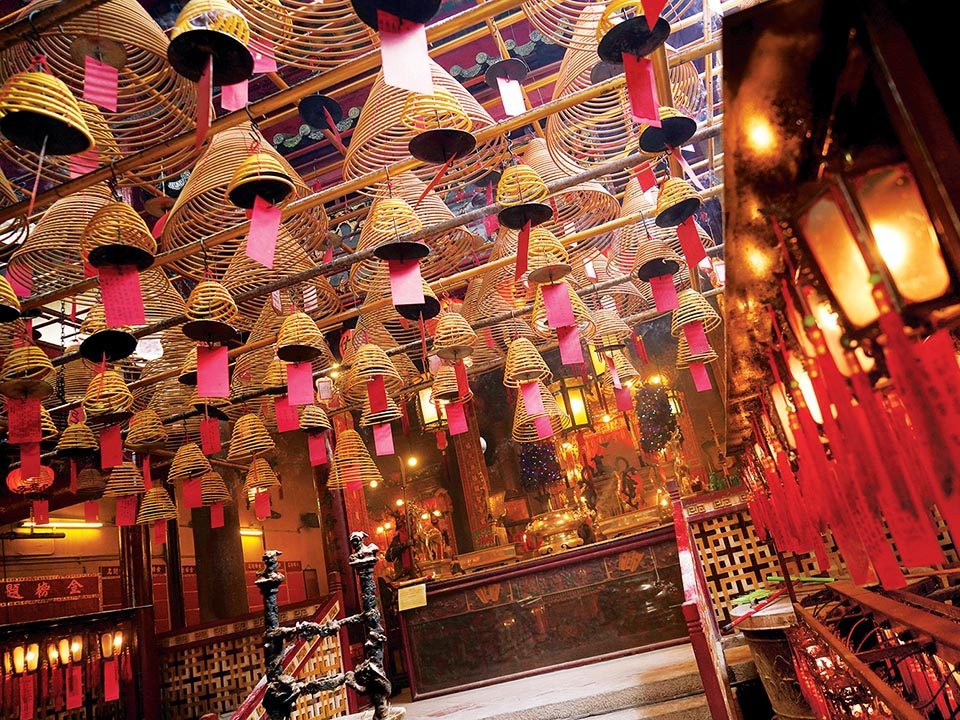
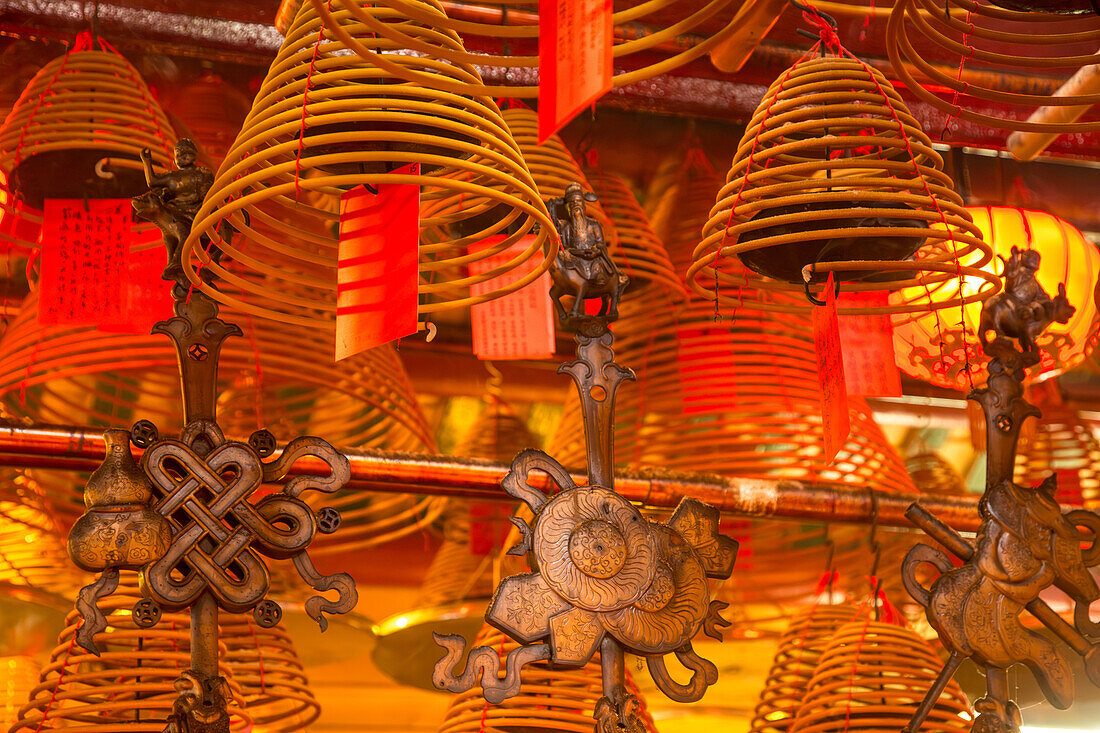
This 1847 landmark is famous for its giant hanging incense coils that burn for weeks. It offers a quiet contrast to the busy streets surrounding the hong kong walking food tour.
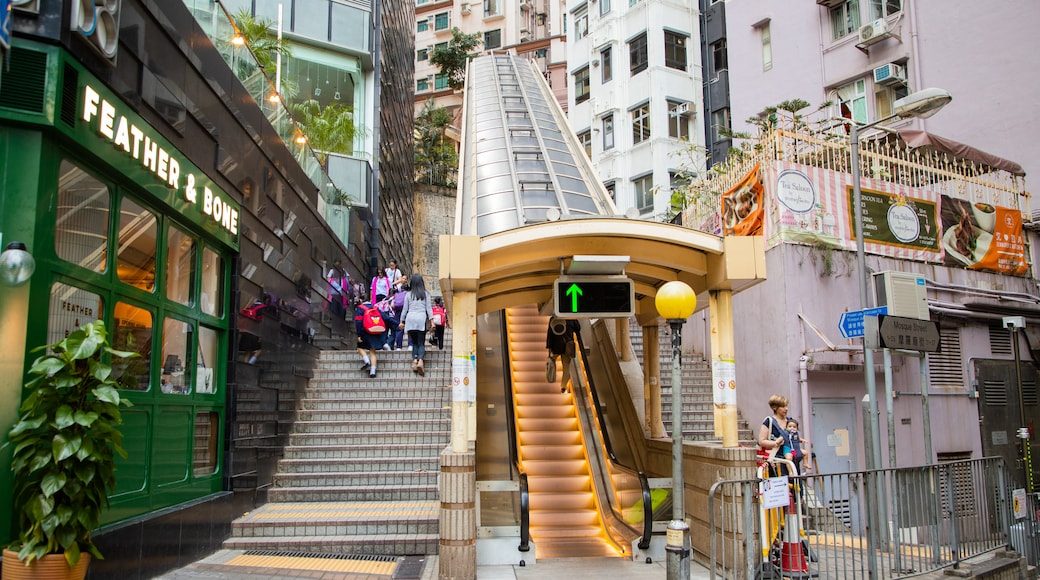
Stretching over 800 meters, this is the world's longest outdoor covered escalator system. It provides a unique perspective on the dense urban landscape of the city.
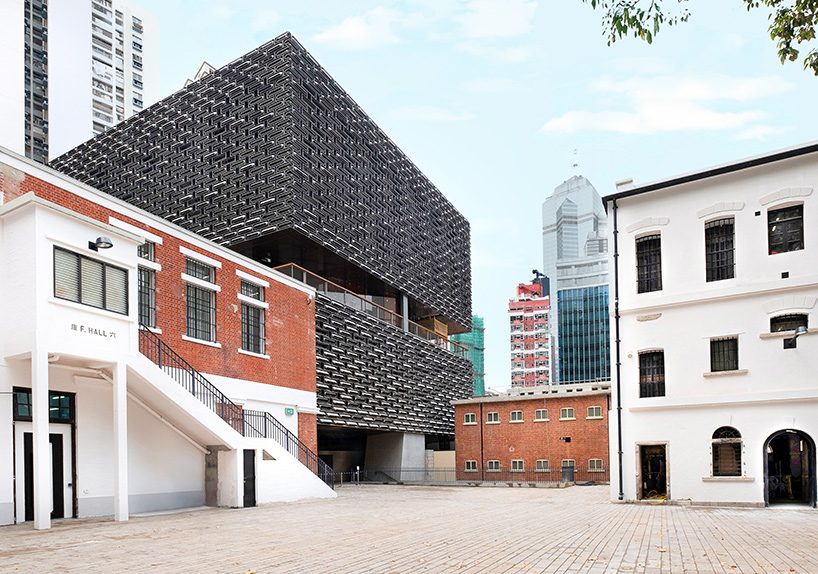
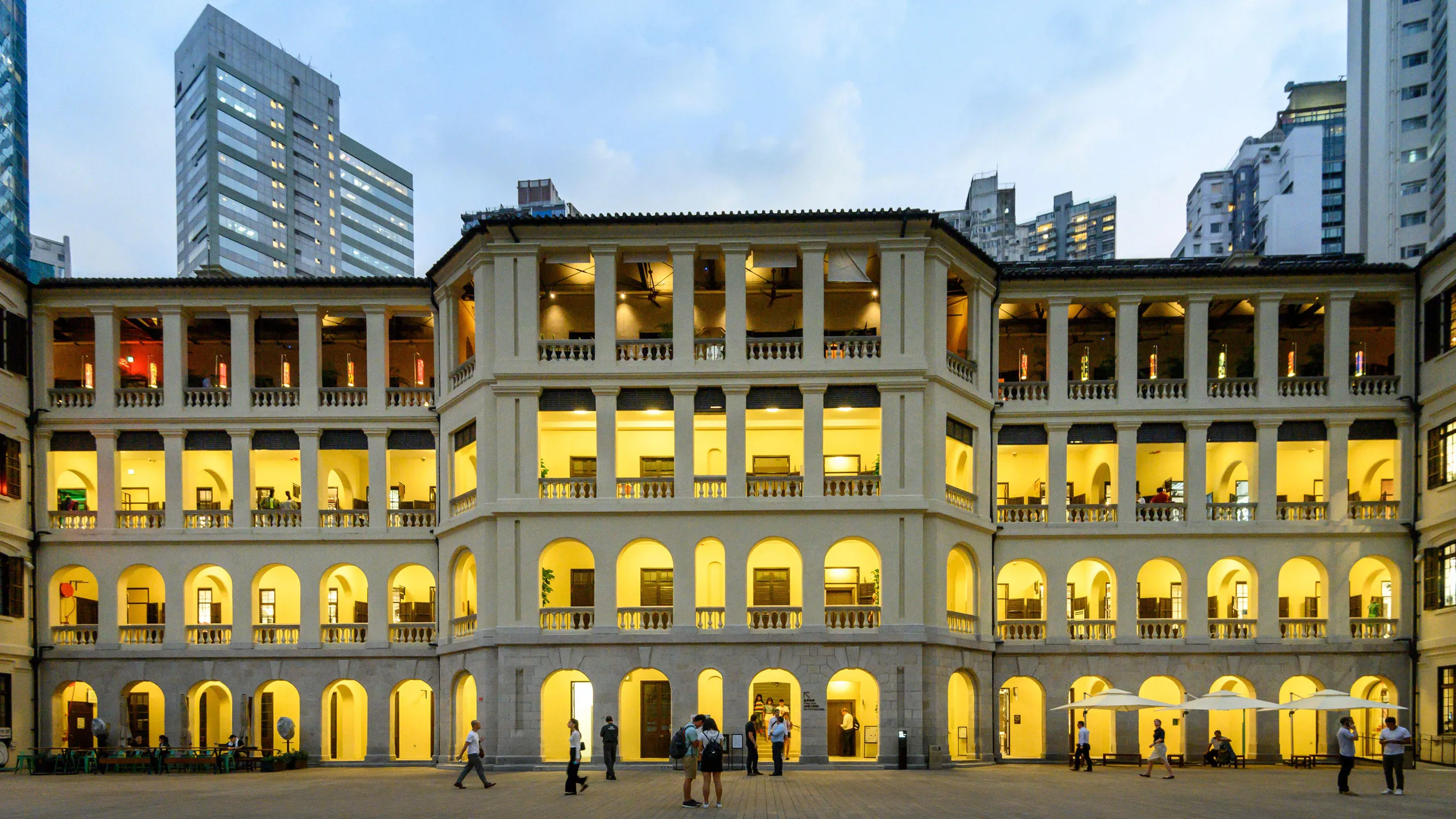
Once a central police station, this restored site now hosts rotating art exhibitions and cultural events. It is a prime example of colonial architecture preservation.
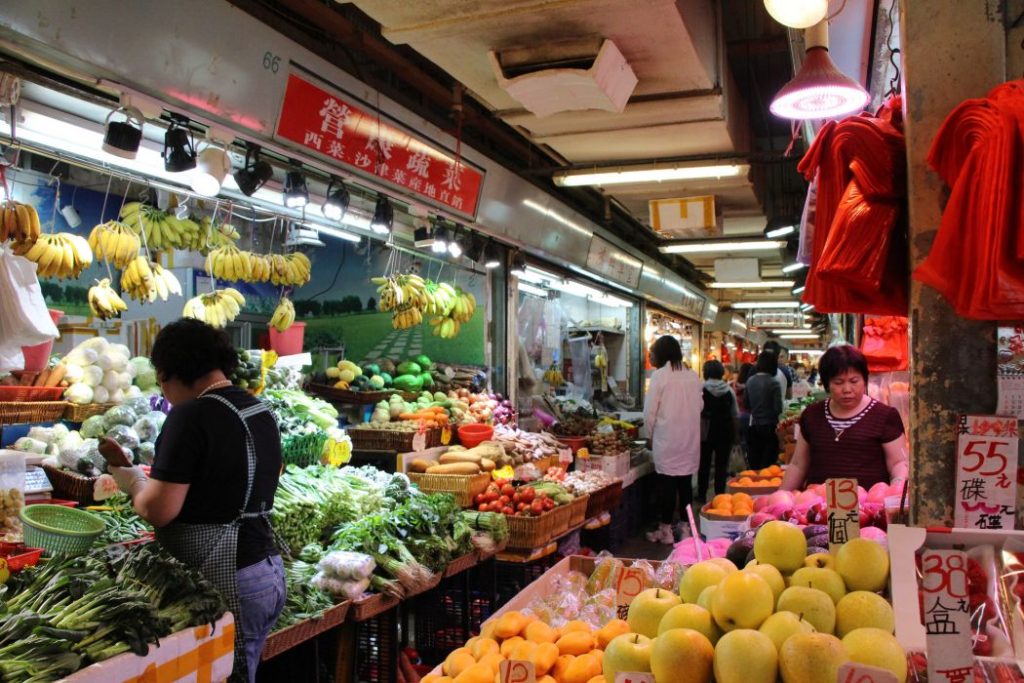
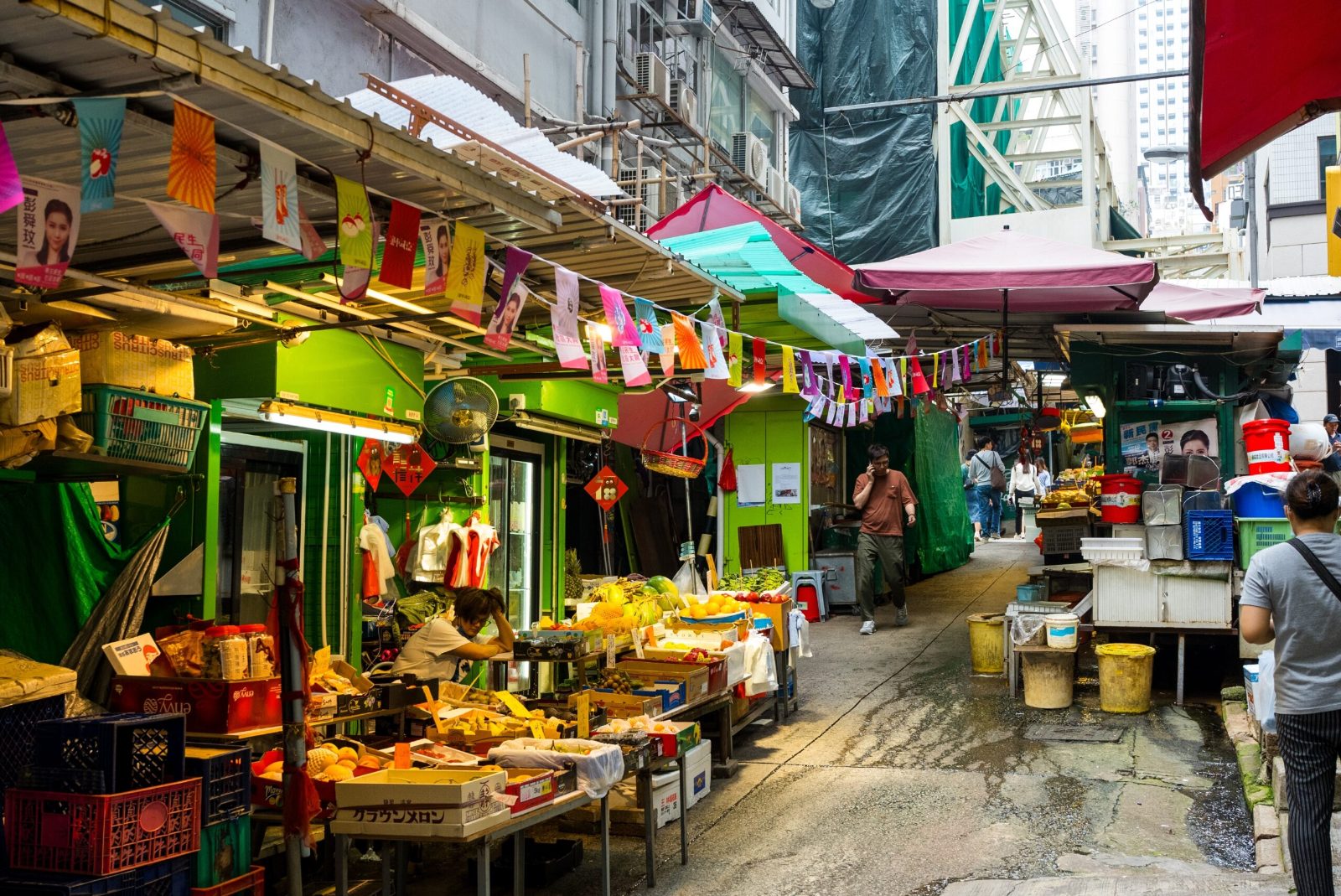
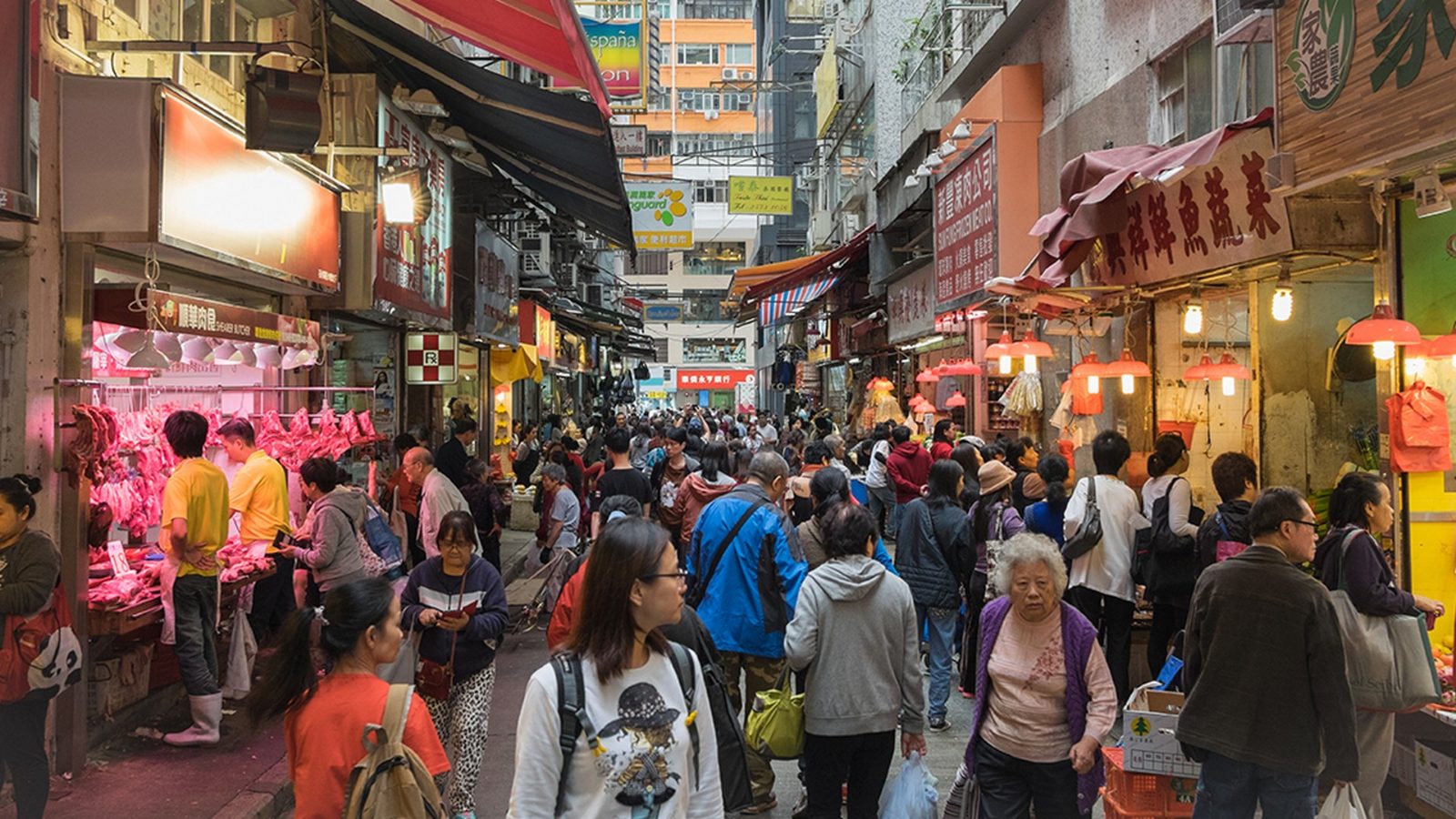
Operating for over 160 years, this is one of the oldest outdoor street markets in the region. It is a central hub for fresh produce and traditional ingredients used in local cuisine.
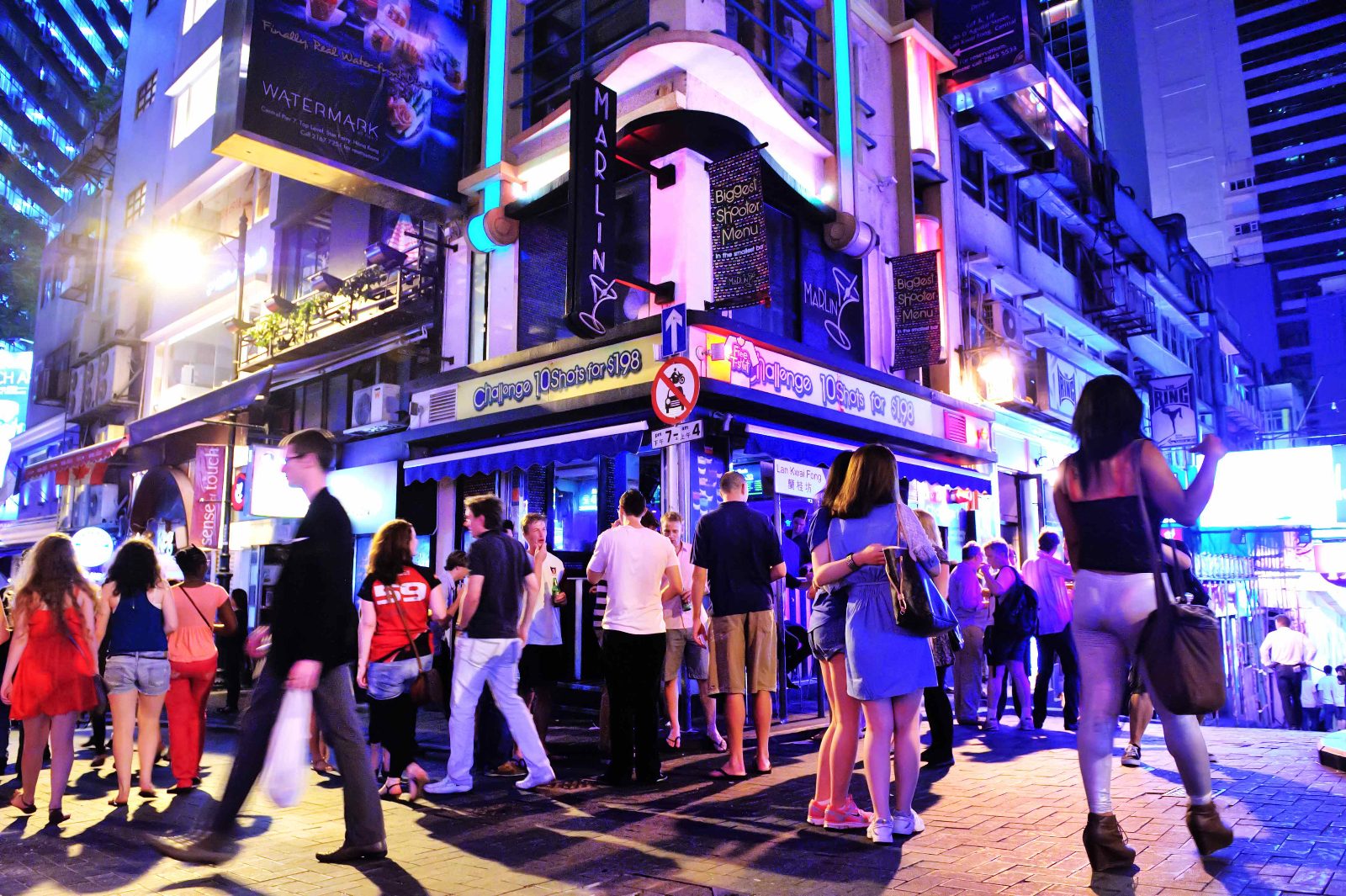
Known as the heart of the city's nightlife, this area features narrow lanes packed with dining options. It serves as a vibrant backdrop for an evening hong kong walking food tour.
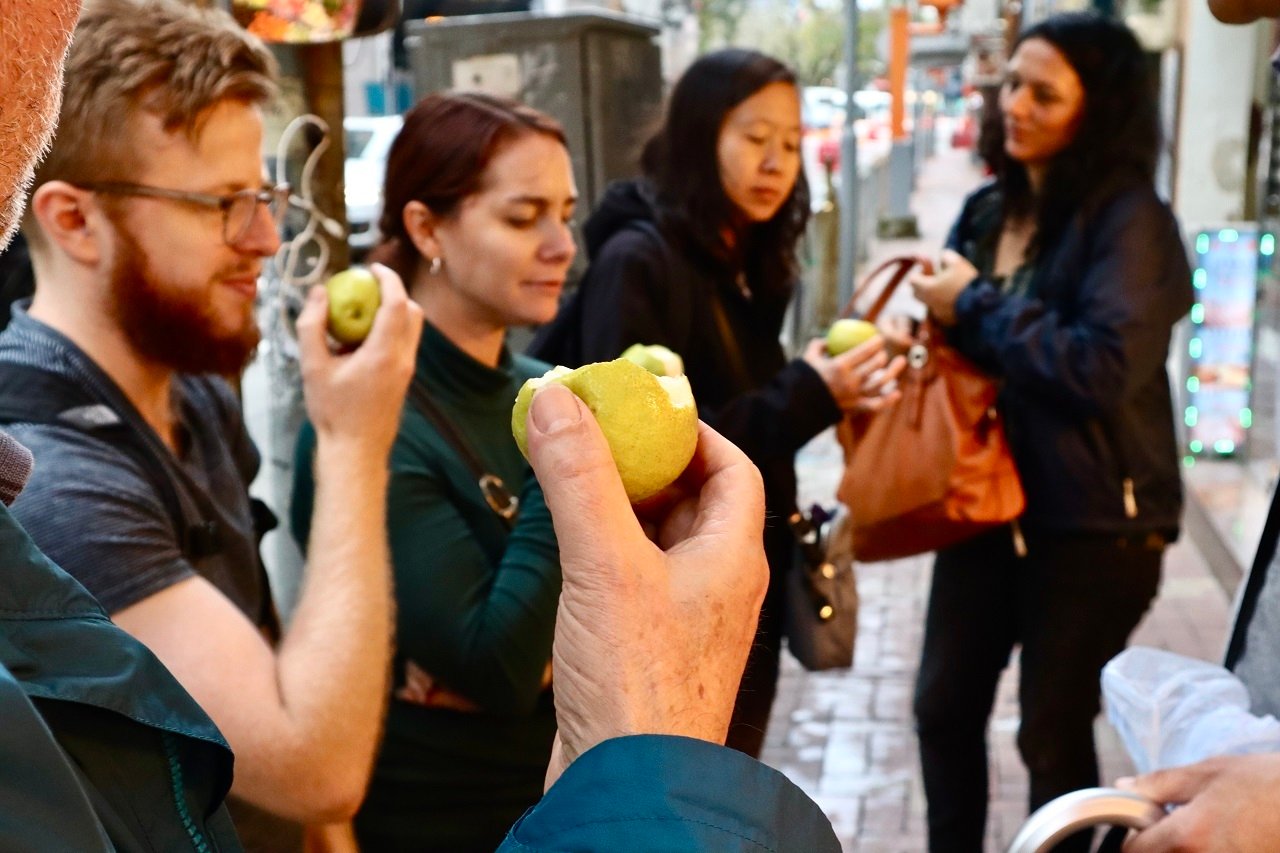
You meet your guide on a Central pavement between 10:00 and 18:00, the window when vendors are stocked and the light still holds for walking. The group is small. You are handed a bottle of water and told, correctly, to pace yourself.
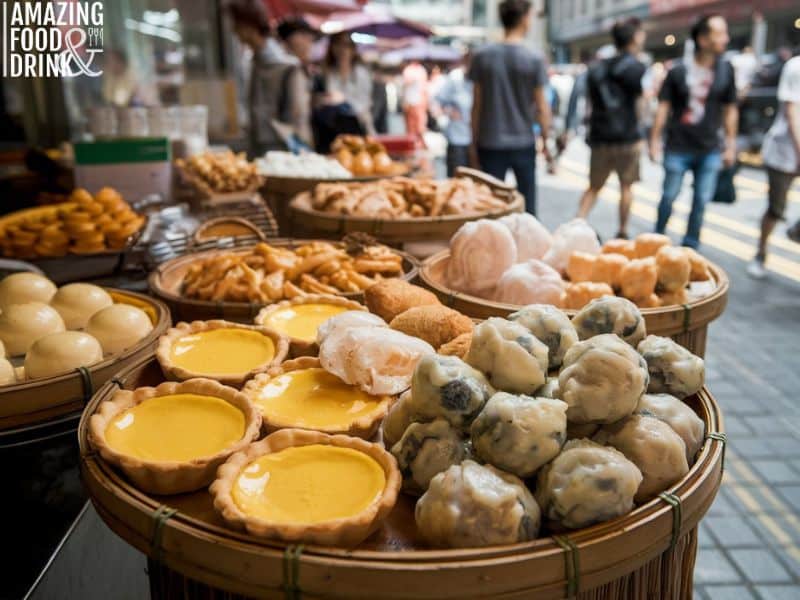
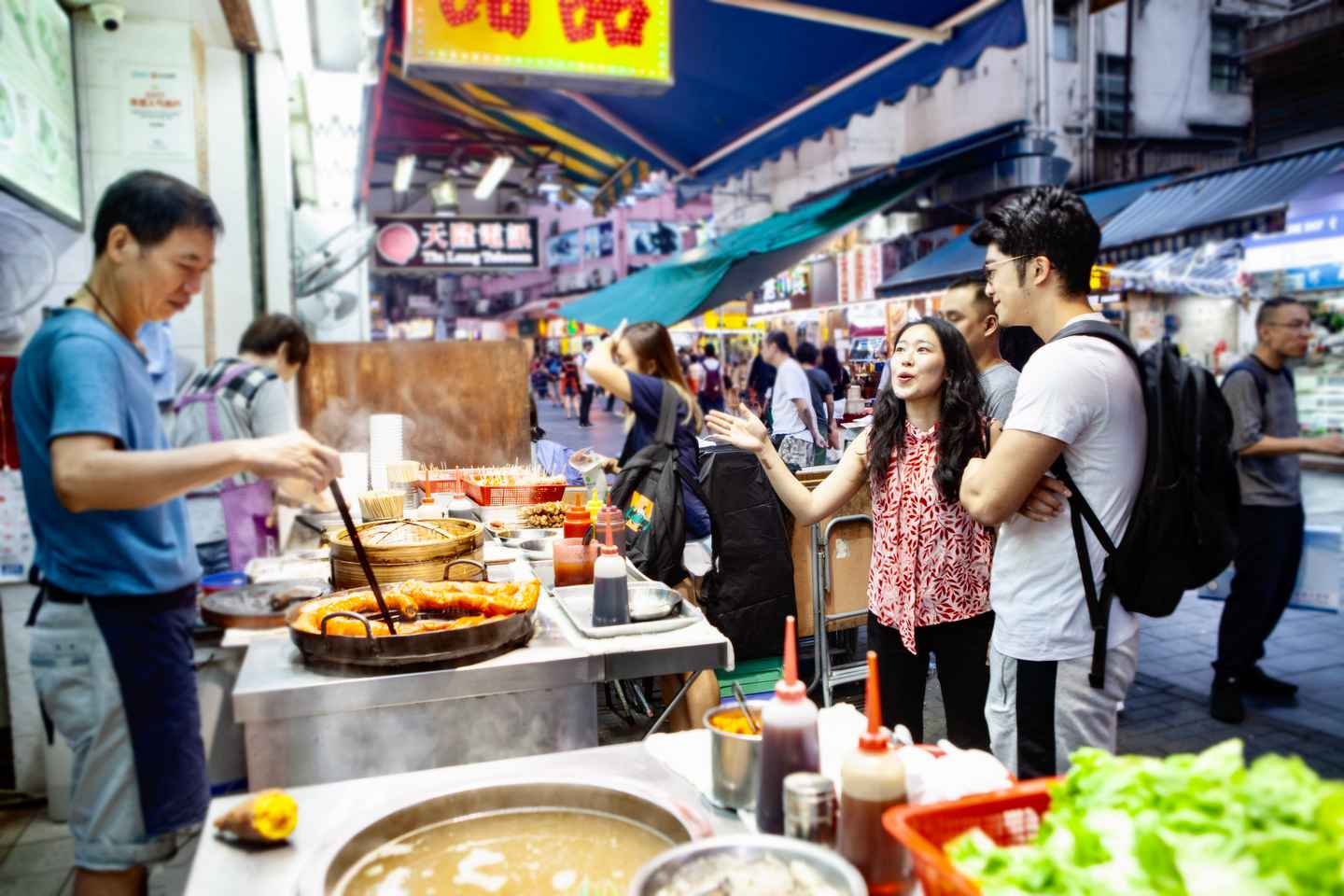
The first stop is standing-room only. You take a bowl of wonton noodles at a counter barely a metre deep, learn to lift the noodles clear of the broth so they stay firm, and finish in under six minutes because that is the local rhythm. You climb three blocks on the Mid-Levels Escalator, stepping off at a landing where your guide points down into Graham Street Market. You taste an egg tart still warm enough to fog the paper bag. You watch a cleaver come down on roasted goose, twelve strokes, no measuring.
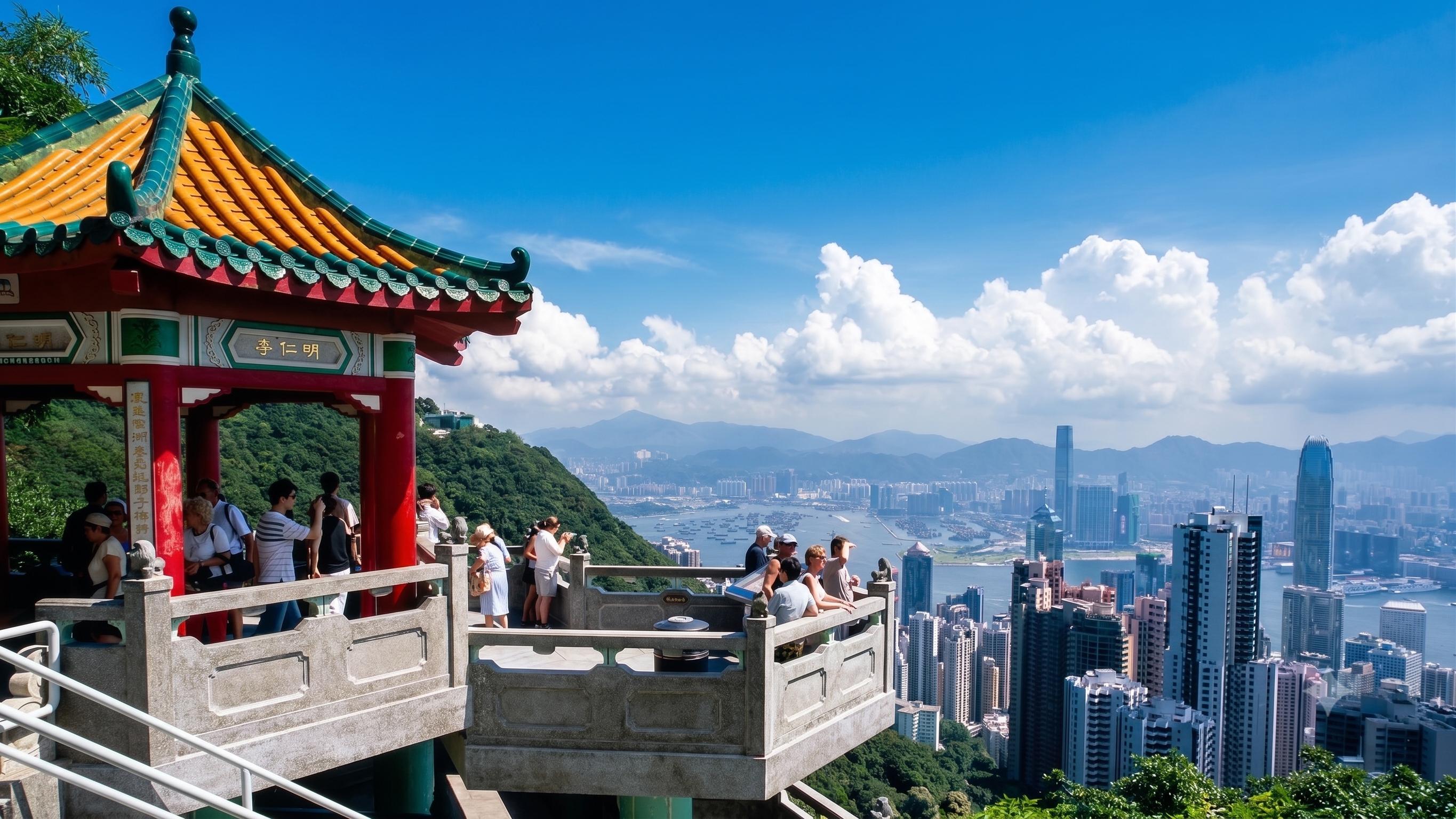
A hong kong walking food tour tour then turns quieter. You cut into Tai Ping Shan Street, where the pace drops and incense replaces frying oil. You sit for milk tea poured between two pots to aerate it. Depending on the option you reserved, the afternoon may continue toward the Peak Tram, or fold into a longer culinary route built around dim sum and roasted goose, or take the sobering turn of a walk through subdivided housing. You end holding a paper bag of something for later, unsure whether you are full.
All the details about your upcoming adventure in one place
Hong Kong's cooked-food trade was once measured in licences, not menus: by the 1950s the colonial government had issued thousands of dai pai dong permits, and today fewer than thirty remain in the whole territory. The number explains almost everything about how eating works in Central and Western District.
Scarcity concentrated the survivors. What was ordinary became rare, and what was rare became a reason to walk.
The district itself is the oldest continuously settled European-administered ground in the territory, laid out on reclaimed shoreline from 1841 onward. Sheung Wan grew as a Chinese merchant quarter around the nam pak hong trade — the north-south houses that dealt in dried seafood, ginseng, abalone and bird's nest. Those shops still line Des Voeux Road West, their scallops and conpoy stacked in open sacks, perfuming a street that smells of salt and sun. Above them, Tai Ping Shan Street carries incense from Man Mo Temple, built in 1847. A hong kong walking food tour through these blocks is therefore a walk through a commodity history: what the port imported, the kitchens learned to cook.
The cuisine that resulted is Cantonese in grammar but colonial in vocabulary. Cha chaan teng menus fold Hong Kong-style milk tea — strained through sackcloth, brewed from a Ceylon blend — beside macaroni soup and pineapple buns that contain no pineapple. Roasted goose, lacquered and hung in glass cabinets, descends from Shenzhen village recipes carried south. Egg tarts arrive in two lineages, shortcrust and puff, each with partisans. Dim sum service, formalised in the teahouses of the 1920s, remains the district's clearest ritual: bamboo steamers, small plates, long conversation.
Vertical geography shapes the meal. The Central–Mid-Levels Escalator, opened in 1993 and running 800 metres uphill, made a food quarter of the slope above Queen's Road. Graham Street Market, trading since the 1840s, sits at its foot as one of the oldest street markets in Asia. Hillside lanes such as Gough Street and Elgin Street stack noodle shops, wonton counters and cocktail rooms within a few dozen metres of elevation.
This density is why hong kong walking food tour tours have become a serious form of urban interpretation rather than a novelty. Guides read shopfront calligraphy, explain why a butcher hangs char siu at eye level, and point out redevelopment hoardings where a decades-old noodle shop stood last year. Entry to the streets themselves costs 0 HKD; the district is public ground, open at every hour. What guided walks sell is legibility — the difference between passing a stall and understanding it.

What guided walks sell is legibility — the difference between passing a stall and understanding it.

Casual, breathable clothing is recommended due to the humid climate of Hong Kong. Comfortable walking shoes are essential for navigating the hilly terrain of the Central and Western District.
Participants should carry only small daypacks as there is no secure storage provided during the tour. Keep personal belongings close in crowded street markets.
Photography is permitted throughout the public areas visited during the hong kong walking food tour. Please respect the privacy of local vendors and residents when taking close-up shots.
The hong kong walking food tour is suitable for older children, though the walking pace is set for adults. Strollers are generally impractical due to narrow sidewalks and curbs.
Some historic areas have steep inclines and uneven pavement which may be difficult for guests with limited mobility. Please inquire about route accessibility prior to booking your hong kong walking food tour.
Participants are provided with tastings as part of the tour experience. Additional outside food or drinks should be kept minimal to ensure you have space for local specialties.
Operating Hours
00:00–23:59
Address
Central and Western District, Hong Kong
Accessibility
Varies by route and street terrain
Optimal Visit
10:00–18:00
Storage
Not available during walking segments
Public transport · Varies · Octopus Card recommended
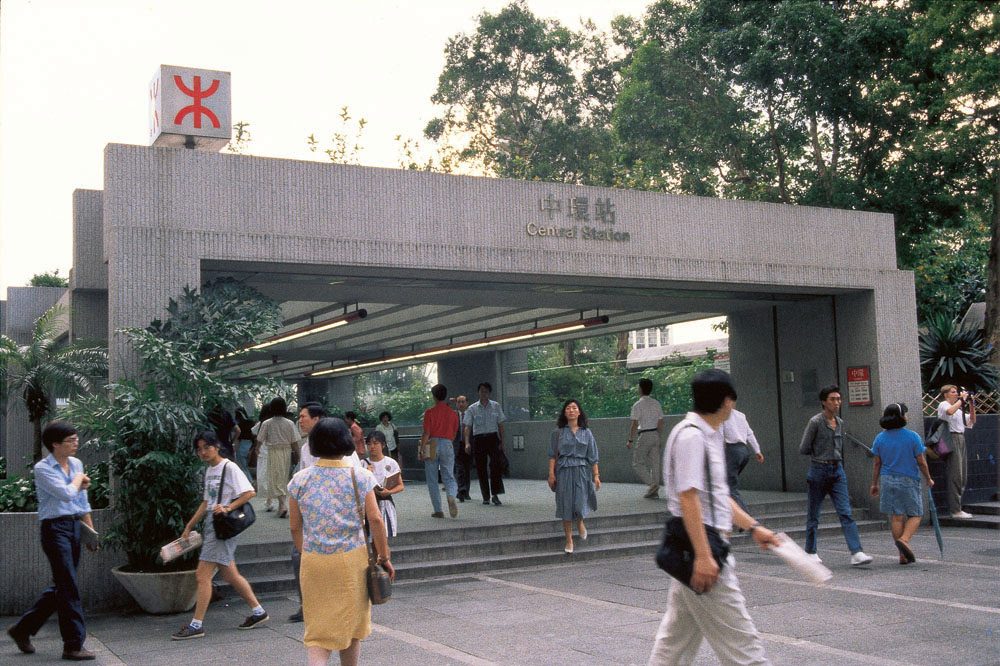
Use MTR Island Line to Central Station, which serves as a major hub for every hong kong walking food tour.
Taxi · 15–30m · Moderate
Taxis are abundant; instruct the driver to drop you at Central MTR station entrance.
Cancellations made at least 24 hours before the scheduled hong kong walking food tour are eligible for a full refund. Requests made after this window or no-shows are non-refundable.
Recommended time
3-4 hours
A typical hong kong walking food tour covers various culinary districts, requiring several hours to sample local delicacies without rushing. You should allocate extra time if you plan to explore side streets or browse regional markets after your hong kong walking food tour tours conclude. Booking hong kong walking food tour tickets early helps secure your spot, while afternoon slots often involve navigating busier pedestrian thoroughfares.
Crowd levels through the day
Weather · crowds · average price — dots go green to amber to red as each metric rises.
March to May brings mild temperatures perfect for city walking.
June to August is humid with frequent rain; visit early in the day.
September to November offers comfortable weather and clear city views.
December to February is cool and dry, ideal for outdoor street food exploration.
Popular tours sell out weeks in advance; secure your hong kong walking food tour tickets early.
Be adventurous with regional flavors but mention allergies to your guide immediately.
Carry a refillable water bottle as the Hong Kong humidity increases dehydration risk.
The Octopus Card simplifies all public transit transfers during your Hong Kong landmark tours.
Many smaller, traditional street food vendors do not accept credit cards.
Exit A, Central, Hong Kong
Look for the guide holding a tour sign.
Get directionsHong Kong's street food culture began with necessity, not leisure. After the 1841 British occupation of Hong Kong Island, Chinese labourers settled the slopes above Sheung Wan in the district later called Tai Ping Shan. Itinerant hawkers fed them. The 1894 bubonic plague killed over 2,500 people and prompted the colonial government to demolish much of Tai Ping Shan, resettling residents and hardening attitudes toward open-air food vending. Regulation followed disease. Any honest hong kong walking food tour begins with that scar. The modern dai pai dong dates to 1921, when the government issued big licence plates — the literal meaning of the name — to families of deceased or injured civil servants. Postwar refugee influx after 1949 multiplied these open-air stalls across Central and Sheung Wan. Graham Street Market, trading since the 1840s, became the oldest continuously operating street market in the territory. Cooked-food licensing was frozen in 1956, and from 1975 the Urban Council refused to issue new dai pai dong licences, permitting transfer only to a surviving spouse. Fewer than thirty remain today. The near-disaster was administrative. The Urban Council's 1970s clearance drive, followed by the Urban Renewal Authority's 2007 H18 project around Graham and Peel Streets, threatened to erase the exact lanes that a Central and Western District street food tour now walks. Public objection preserved a portion. What survives is fragmentary: the Mid-Levels Escalator, opened 1993, carries visitors past egg waffle griddles and cha chaan teng windows that predate it by decades. Cantonese cuisine, dim sum houses, wet market stalls and clay-pot rice shops persist alongside them. Hong Kong walking food tour tickets sold today trace a route through this contested ground. Guided hong kong walking food tour tours cover streets that were nearly demolished twice. Entry to the district itself is free — 0 HKD — with tours priced separately by their operators; the grid alongside carries every bookable hong kong walking food tour tour and its actual cost.
British forces occupy Hong Kong Island and Chinese labourers settle the slopes of Tai Ping Shan above Sheung Wan.
Graham Street Market begins trading, later recognised as the territory's oldest continuously operating street market.
Bubonic plague kills more than 2,500 people and triggers the demolition of much of Tai Ping Shan.
The government issues the first big licence plates to bereaved civil service families, creating the dai pai dong.
Cooked-food hawker licensing is frozen, capping the number of legal open-air stalls in Central.
The Urban Council stops issuing new dai pai dong licences, allowing transfer only to a surviving spouse.
The Central–Mid-Levels Escalator opens, cutting a new pedestrian spine past older food lanes.
The Urban Renewal Authority launches the H18 project around Graham and Peel Streets, prompting public objection and partial preservation.
Position your camera at the intersection of Graham and Gage Street to capture vibrant displays of fresh produce against the backdrop of narrow, steep alleyways. This location is a staple for a hong kong walking food tour where you can document authentic urban commerce.
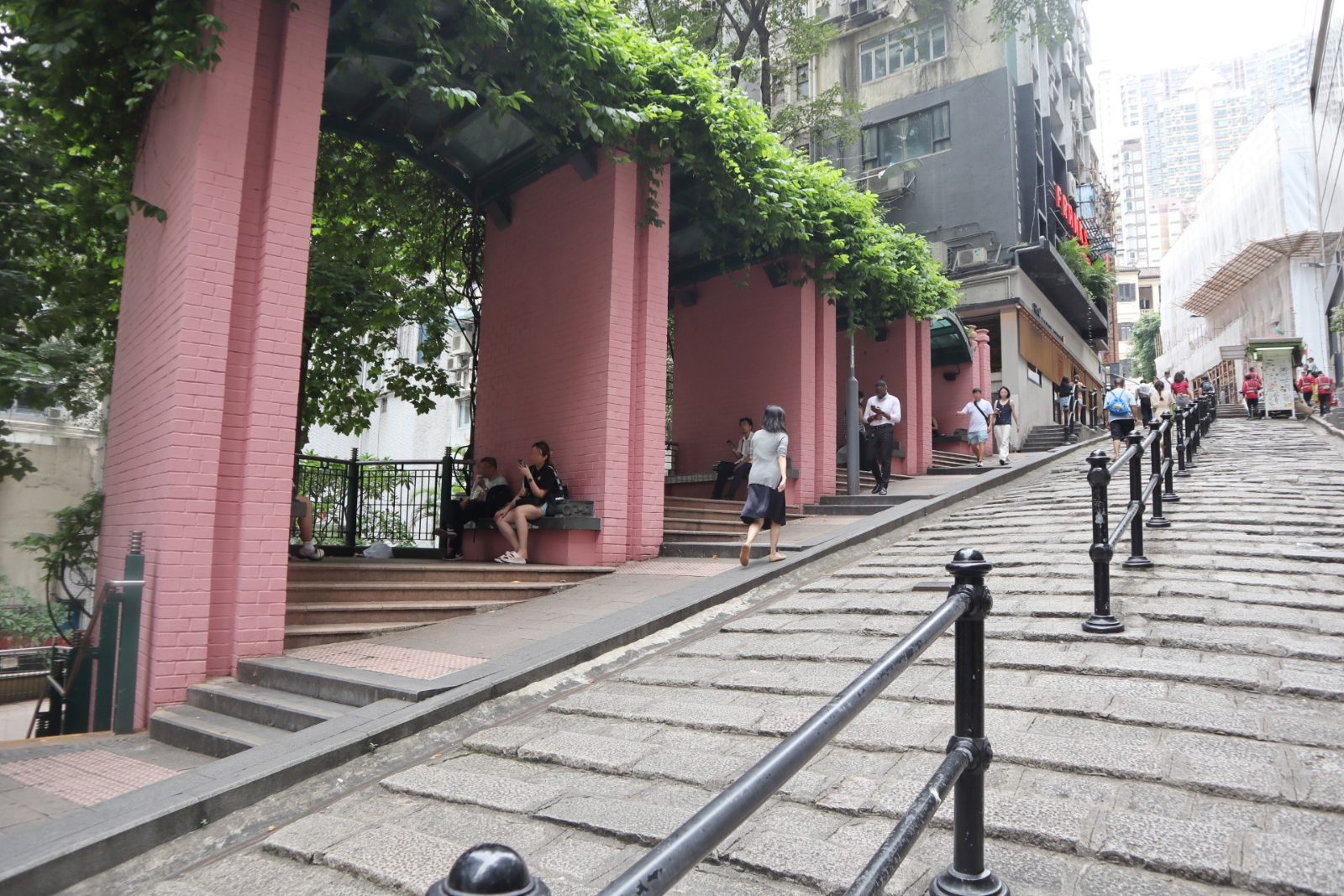
Known as Stone Slabs Street, this historic thoroughfare features uneven granite steps that create a dramatic leading line for street photography. Stand near the bottom looking upward to frame the dense layers of traditional storefronts and colonial architecture.
This former police station complex offers a blend of historical brickwork and contemporary design elements. Utilize the grand staircases and open courtyards to frame subjects participating in various hong kong walking food tour tours throughout the heritage site.
Capture the iconic hanging incense coils inside this atmospheric venue by using a low angle to highlight the soft light filtering through the smoke. Respectful photography is permitted, allowing visitors to document one of the oldest temples during their local hong kong walking food tour tickets experience.
Exploring the vibrant culinary scene with a hong kong walking food tour offers families an authentic way to experience local flavors in the Central and Western District. Navigating these bustling streets provides a unique window into the city's heritage and daily life.
Due to narrow sidewalks and steep inclines in the Central and Western District, lightweight strollers or baby carriers are recommended for your hong kong walking food tour tours. Many traditional eateries have limited floor space, so compact gear ensures easier navigation through crowded areas.
School-aged children often get the most out of these excursions as they can appreciate the diverse cultural tastes encountered during the hong kong walking food tour tour. Younger children may find the walking distance challenging, so consider their stamina before booking.
Public restrooms are not always immediately available in small street-side shops, so utilize facilities in nearby shopping malls or MTR stations before starting your hong kong walking food tour tickets. Planning bathroom breaks around major landmarks helps maintain a smooth pace for the group.
The local gastronomy includes a mix of textures and spices, though many vendors offer milder options suitable for younger palates. Always inform your guide of any allergies when you purchase your hong kong walking food tour reservation to ensure a safe dining experience.
Exploring the Central and Western District offers a wealth of culinary heritage, perfect for those booking a hong kong walking food tour. You will find a blend of historic tea houses and modern eateries within a short stroll of your route.
Famous for its shrimp wonton noodles served in a small, precise portion. This venue is a staple for those seeking authentic local flavors during their Hong Kong gourmet discovery tour.
Everything you need to know for your journey
The tour operators typically run activities daily between 00:00–23:59 to maximize flexibility for travelers.
Due to narrow sidewalks and steep hills in the Central district, some routes for a hong kong walking food tour are not fully wheelchair accessible.
It is not recommended to bring outside food as the hong kong walking food tour includes multiple tastings as part of the experience.
You can purchase hong kong walking food tour tickets through the operator website or the live inventory grid on this page.
You can receive a full refund if you cancel your hong kong walking food tour at least 24 hours before the scheduled start time.
Yes, photography is welcome during your hong kong walking food tour, provided you respect local residents and vendor operations.
Children are welcome on a hong kong walking food tour, though the walking volume may be better suited for older children and adults.
We recommend arriving between 10:00–18:00 to ensure vendors are open and to make the most of daylight for your hong kong walking food tour.
Wear comfortable, breathable clothing and sturdy walking shoes to handle the urban terrain during your hong kong walking food tour.
A historic temple dedicated to the gods of literature and war.
A former police station converted into a centre for heritage and arts.
The world's longest outdoor covered escalator system connecting hillsides.
Iconic funicular railway offering vistas of the city skyline.
A lush urban oasis featuring a walk-in aviary and conservatory.
Area home to high-end hotels and colonial-era boutique inns.
Convenient business district with major chain hotels.
Vibrant district known for its diverse shopping and dining mix.
Join thousands of happy travelers who have discovered this incredible experience
Book Your Experience Now