2 hr
Dark Side of Hong Kong: Caged Homes Walking Tour
- Expert local guide
- Small group
- Skip-the-line access
- Free cancellation
Hong Kong Walking Tour Kowloon — Guided Heritage & Street Food Routes
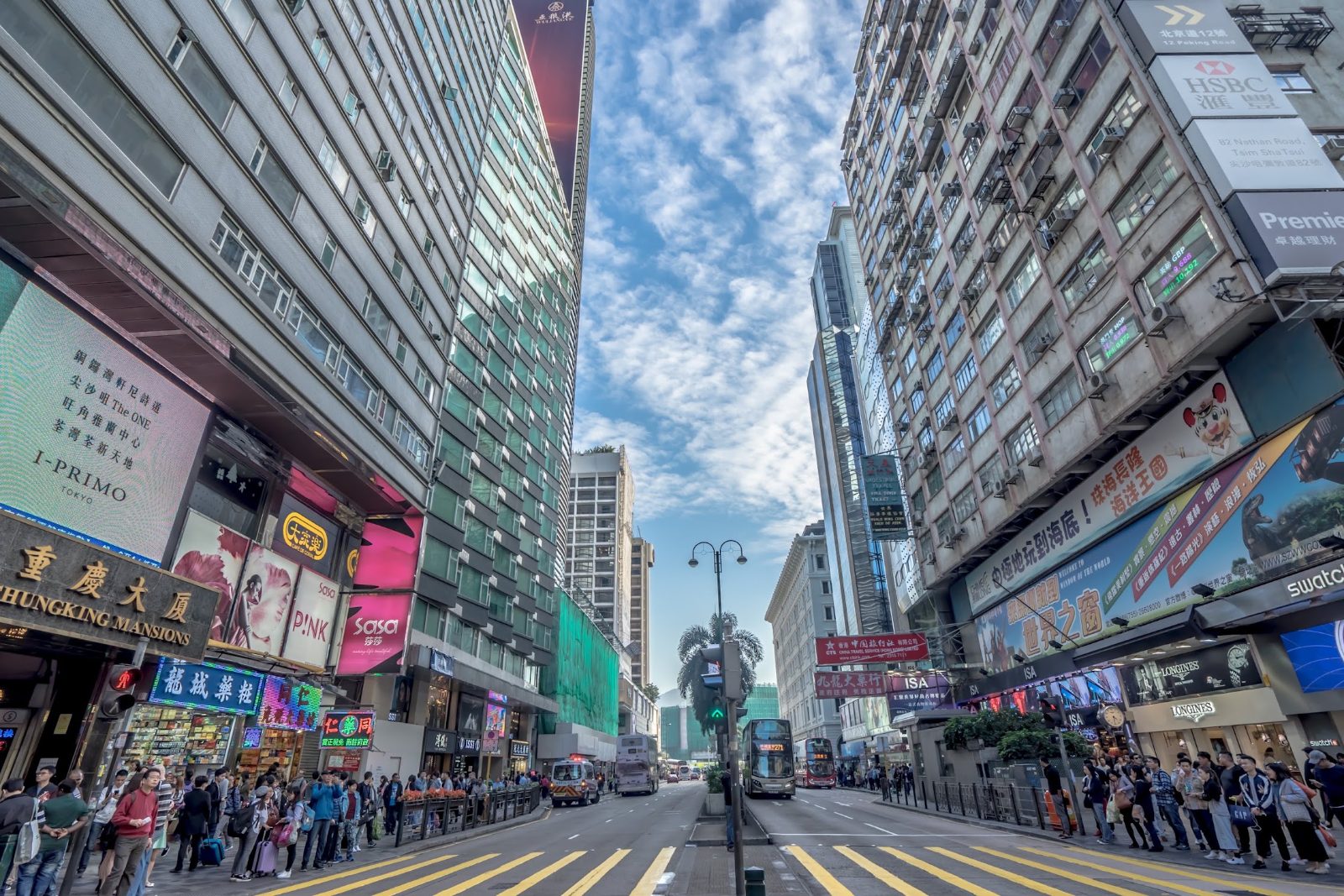
Neon over Nathan Road, dried seafood and steam below.
Compare fares, pick the fit — all bookings are mobile-voucher and eligible for free cancellation where shown.
2 hr
3 hr
6 hr
| Experience | Duration | Rating | Skip-the-line | Guide | Small group | Free cancel. | Price | |
|---|---|---|---|---|---|---|---|---|
|
Guided Experience
Most popular
Dark Side of Hong Kong: Caged Homes Walking Tour
|
2 hr | ★ 4.8 | ✓ | ✓ | ✓ | ✓ | $37 | Book → |
|
Guided Experience
Hong Kong Street Food & History Walking Tour
|
3 hr | ★ 4.9 | ✓ | ✓ | ✓ | ✓ | $57 | Book → |
|
Guided Experience
Six-Hour Walking Discovery: Hong Kong Landmarks with Lunch
|
6 hr | ★ 4.9 | ✓ | ✓ | ✓ | ✓ | €57 | Book → |
Worth paying for guided; free self-walk suffices otherwise
A hong kong walking tour kowloon splits into two things. Walking Kowloon Peninsula itself costs 0 HKD — the streets are open 00:00–23:59, and nobody charges you to cross Nathan Road or reach the Tsim Sha Tsui waterfront. What you actually pay for on this page is a guide, and the bookable options here aren't Kowloon-only: the Street Food & History walk and the Dark Side caged-homes tour deliver the peninsula's tenement interiors and market logic, while Central Discovery Walk, Six-Hour Landmarks with Lunch, and the Peak Tram/Heritage/Dim Sum combo pull you across the harbour. Guided Hong Kong landmarks tours pay off if you want a Cantonese-speaking local decoding shop signs, wet markets and housing inequality you'd otherwise walk past. If you're a repeat visitor or comfortable navigating on your own, keep the 0 HKD version and skip hong kong walking tour kowloon tickets entirely.
Bottom line: Book a hong kong walking tour kowloon tour for the human commentary; walk it free if you'd rather set your own pace.
They complement each other; most visitors who do both call the ferry cruise the more relaxing way to view the skyline while the walking tour offers a deeper dive into local landmarks.
|
Top pick Kowloon Walking Tour |
Victoria Harbour Cruise | |
|---|---|---|
| Primary Activity | Street-level heritage exploration | Scenic water-based sightseeing |
| Opening hours | 00:00–23:59 | 07:00–23:00 (approximate) |
| Best arrival window | 09:00–17:00 | 18:00–20:00 (for light shows) |
| Duration | 1.5–3 hours | 1 hour |
| Entry fee | 0 HKD | 180 HKD (adult summer rate) |
| Best for | Culture seekers | Photographers and couples |
| See tickets & prices |
Verdict: If you want to understand the city's hidden history and grassroots life, the hong kong walking tour kowloon is your best choice, whereas the harbour cruise is better suited for iconic views and relaxation.
Hand-picked experiences loved by thousands of travelers
2 hours
Free Cancellation
Explore the financial heart of Hong Kong with a local guide on this intimate walking experience
5 to 7 hours
Free Cancellation
Discover Hong Kong's transformation from fishing village to modern metropolis with iconic attractions
4-5 hours
Free Cancellation
Discover authentic Kowloon through Michelin-recommended street food, historic neighborhoods, and local stories
3 hours
Free Cancellation
Discover Kowloon's harbour glamour, Cantonese traditions, and authentic grassroots neighbourhoods
4 hours
Free Cancellation
Discover spiritual sanctuaries, bustling bazaars, and local life on this guided exploration of Kowloon
2 to 6 hours
Free Cancellation
Personalized exploration through markets, temples, and urban neighborhoods with a knowledgeable resident
5 hours
Free Cancellation
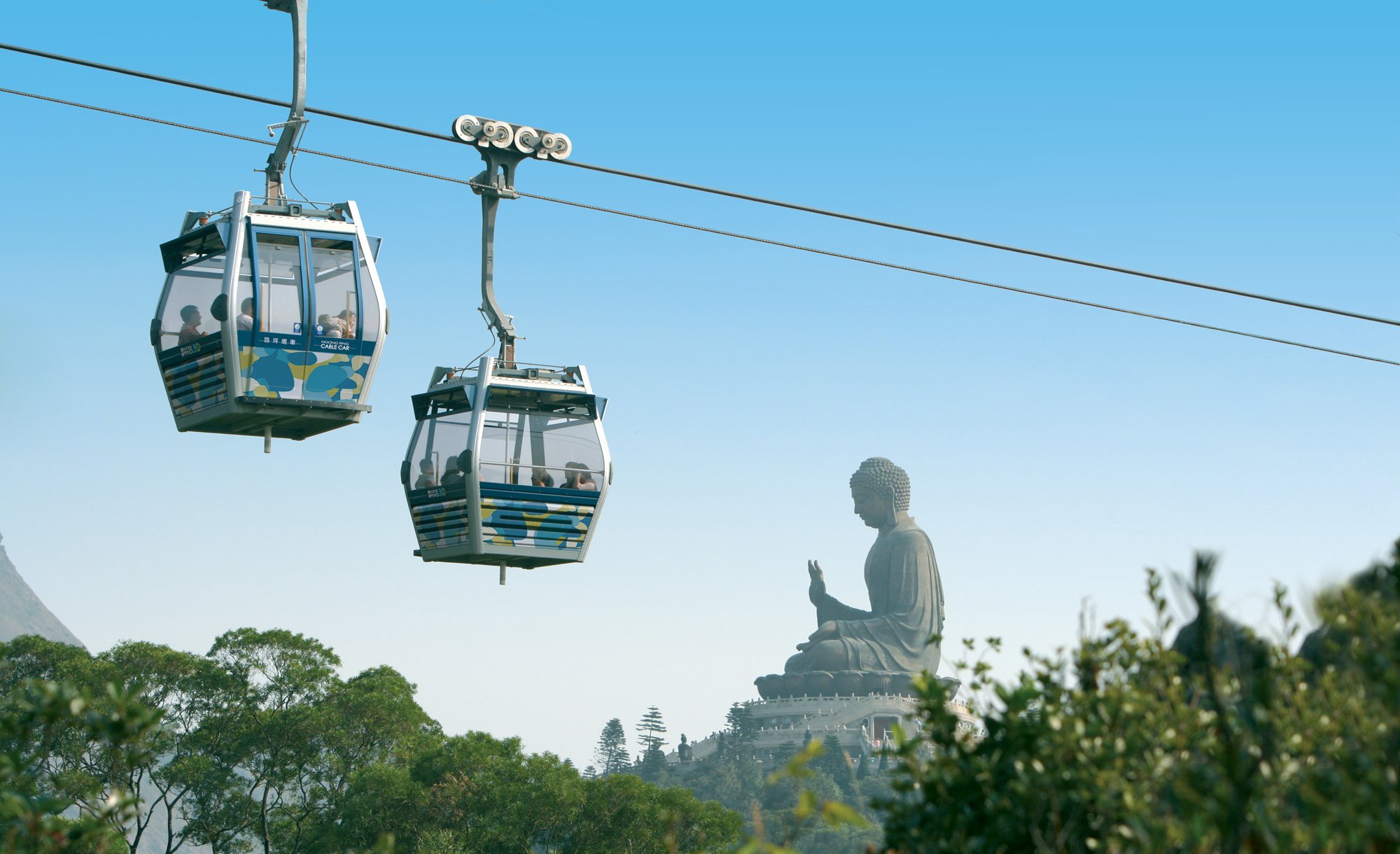
Soar above Lantau on a priority-access gondola, explore a traditional fishing village, and visit the iconic bronze Buddha
55 minutes
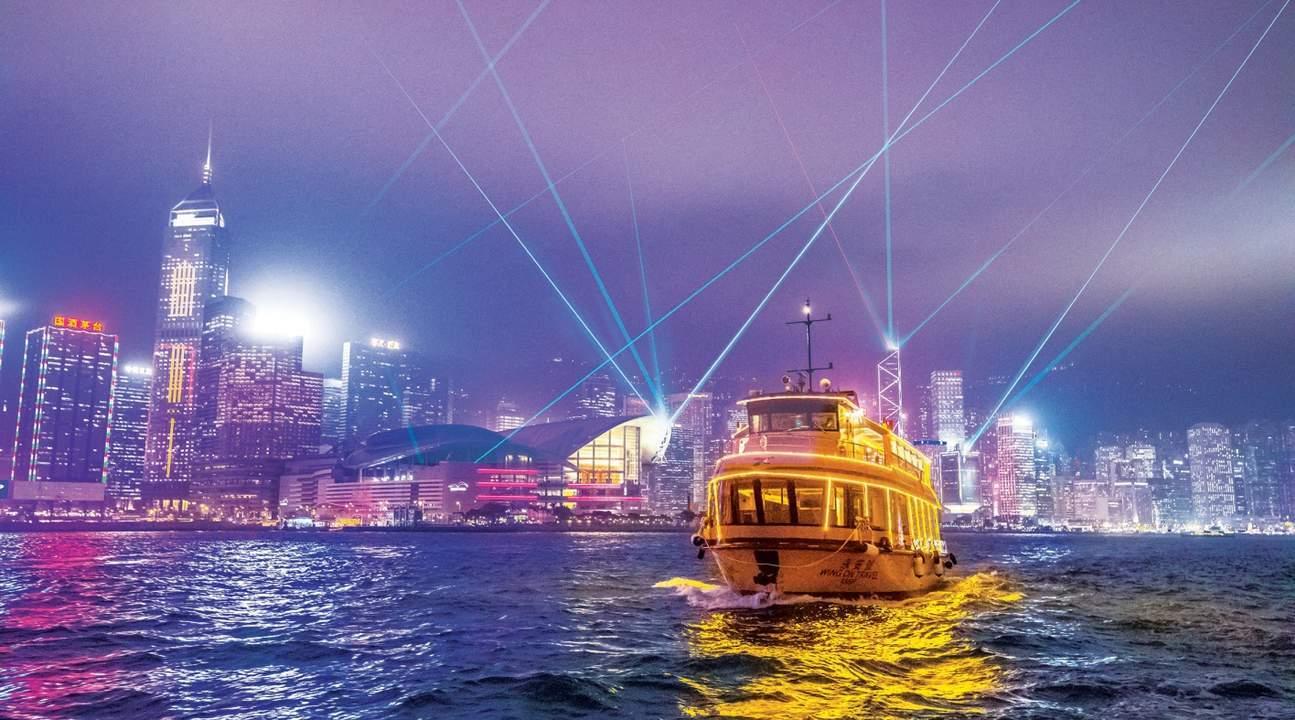
Glide past Hong Kong's glittering skyline with complimentary drinks as you sail the iconic harbour
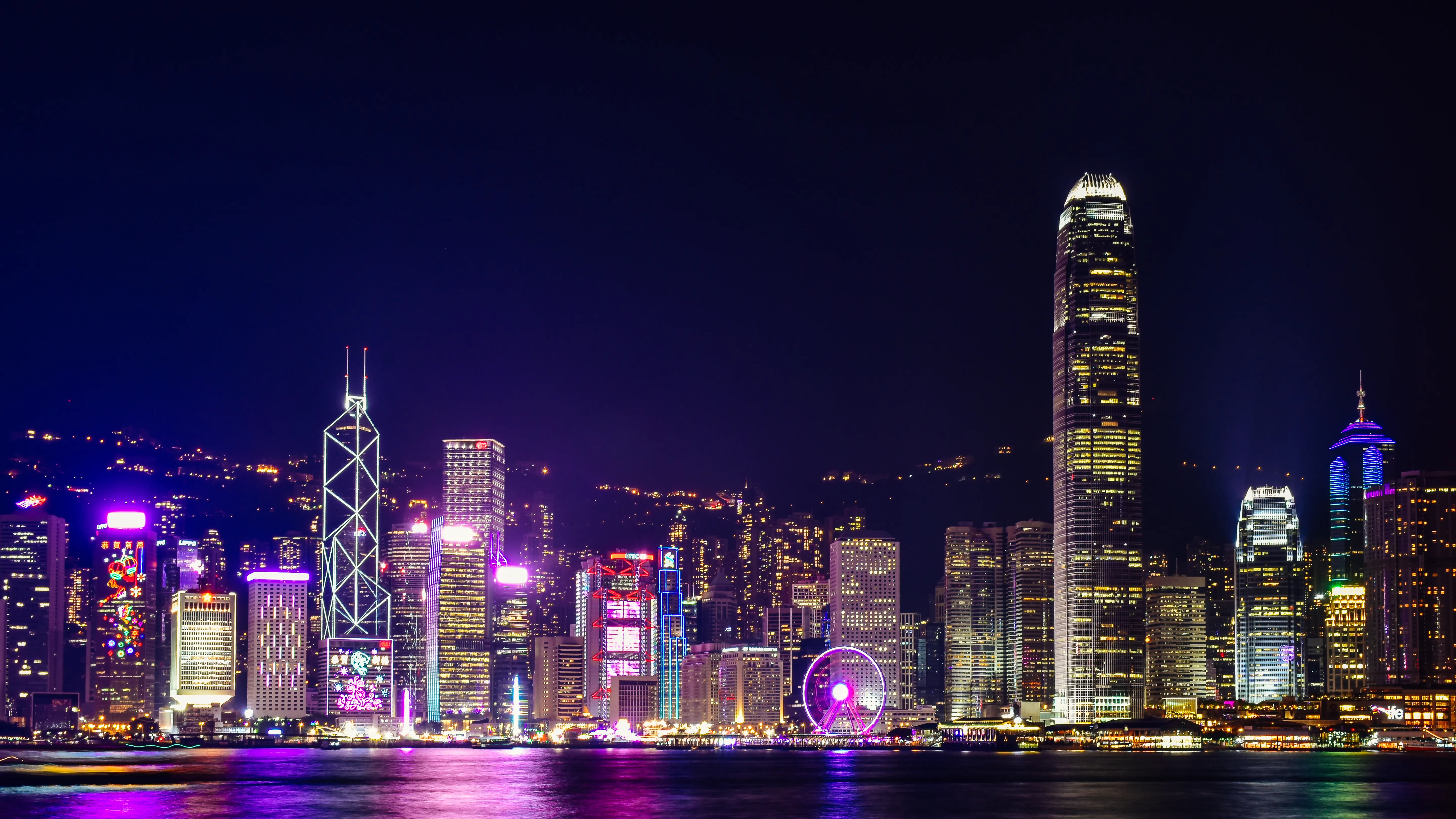
Begin at the waterfront for harbor views
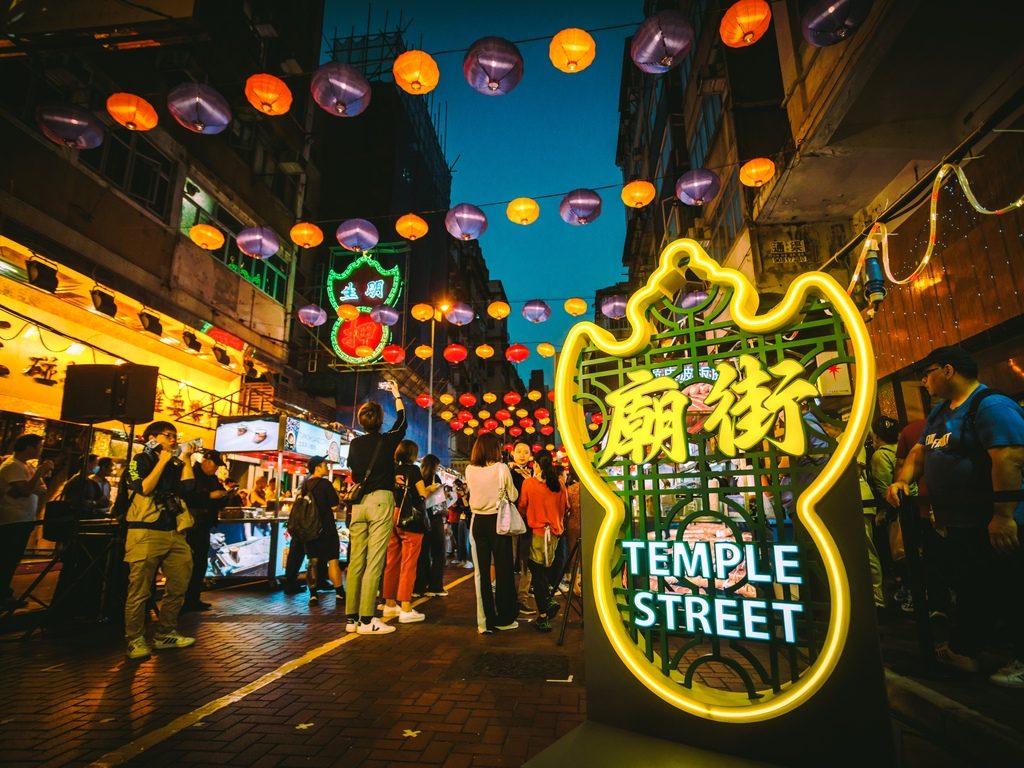
Experience vibrant local commerce
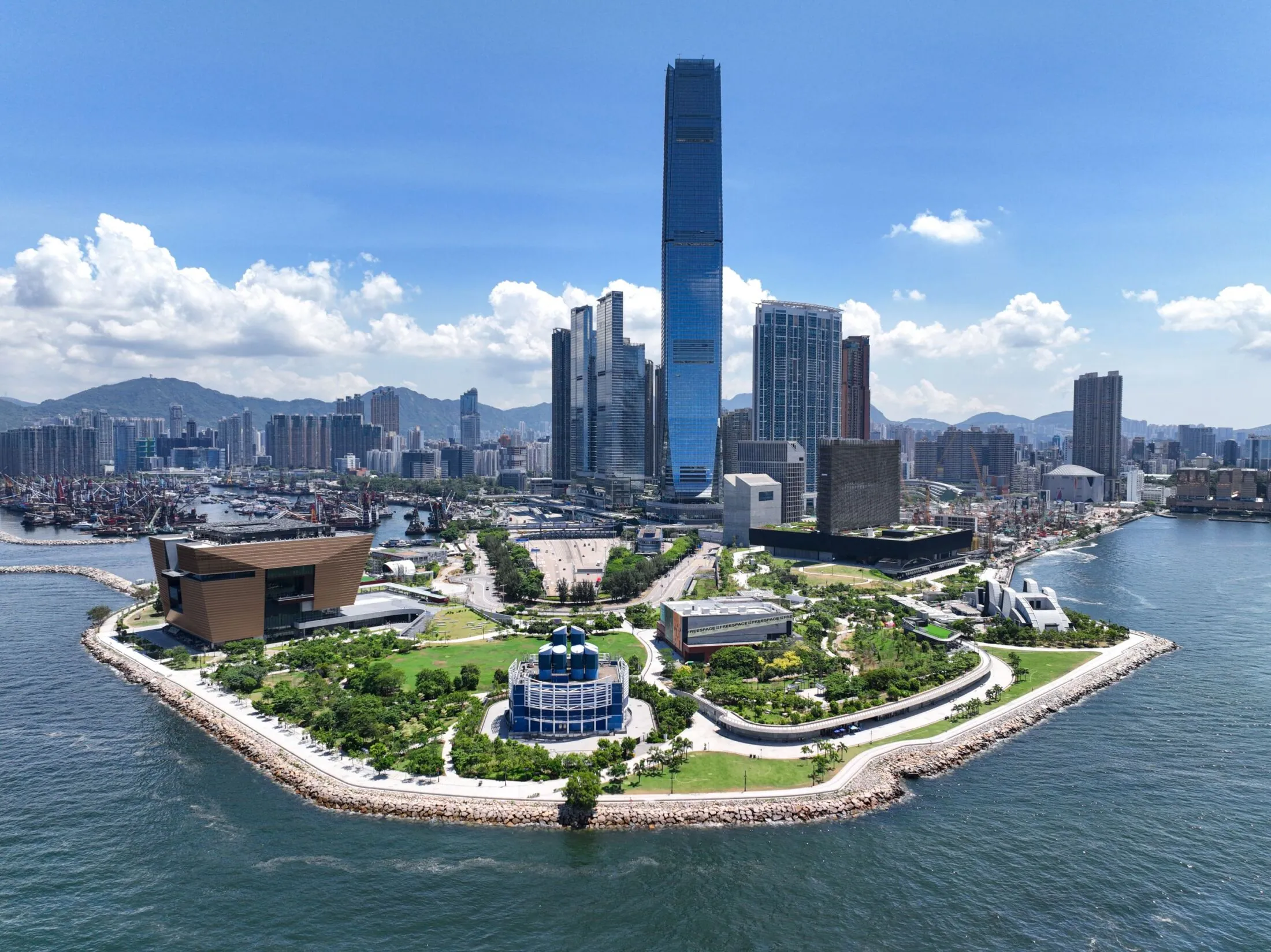
Explore modern arts and architecture
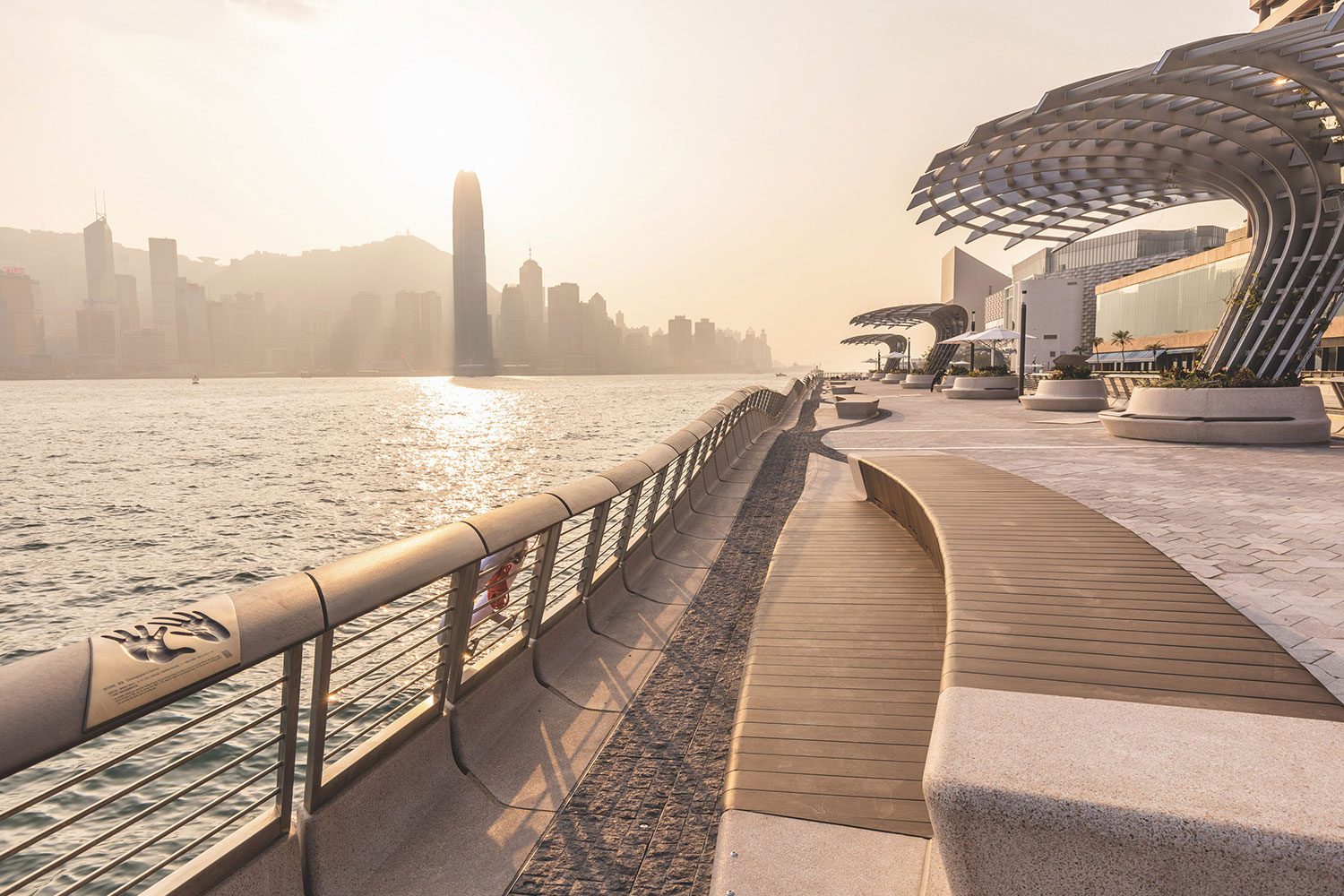
Stunning panoramas of the skyline from the southern tip of the peninsula. The harbor is 2 kilometers wide at its narrowest point.
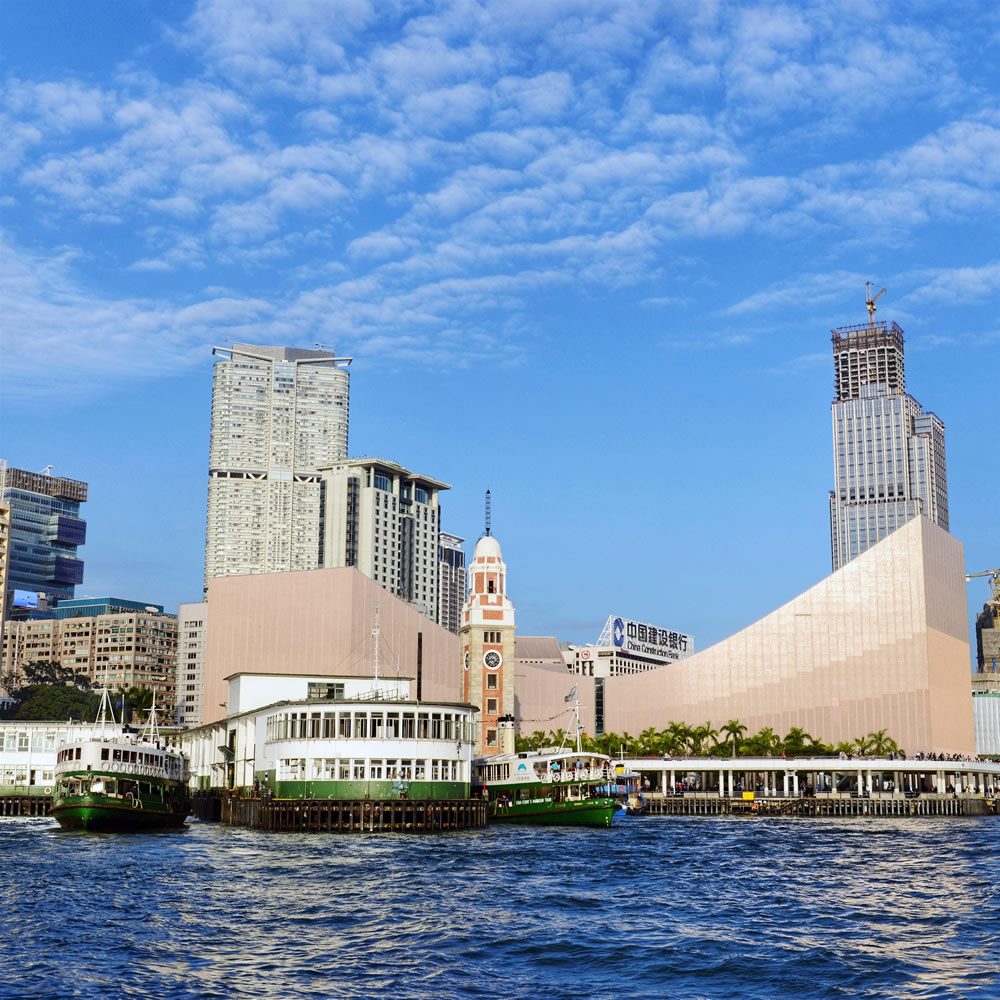
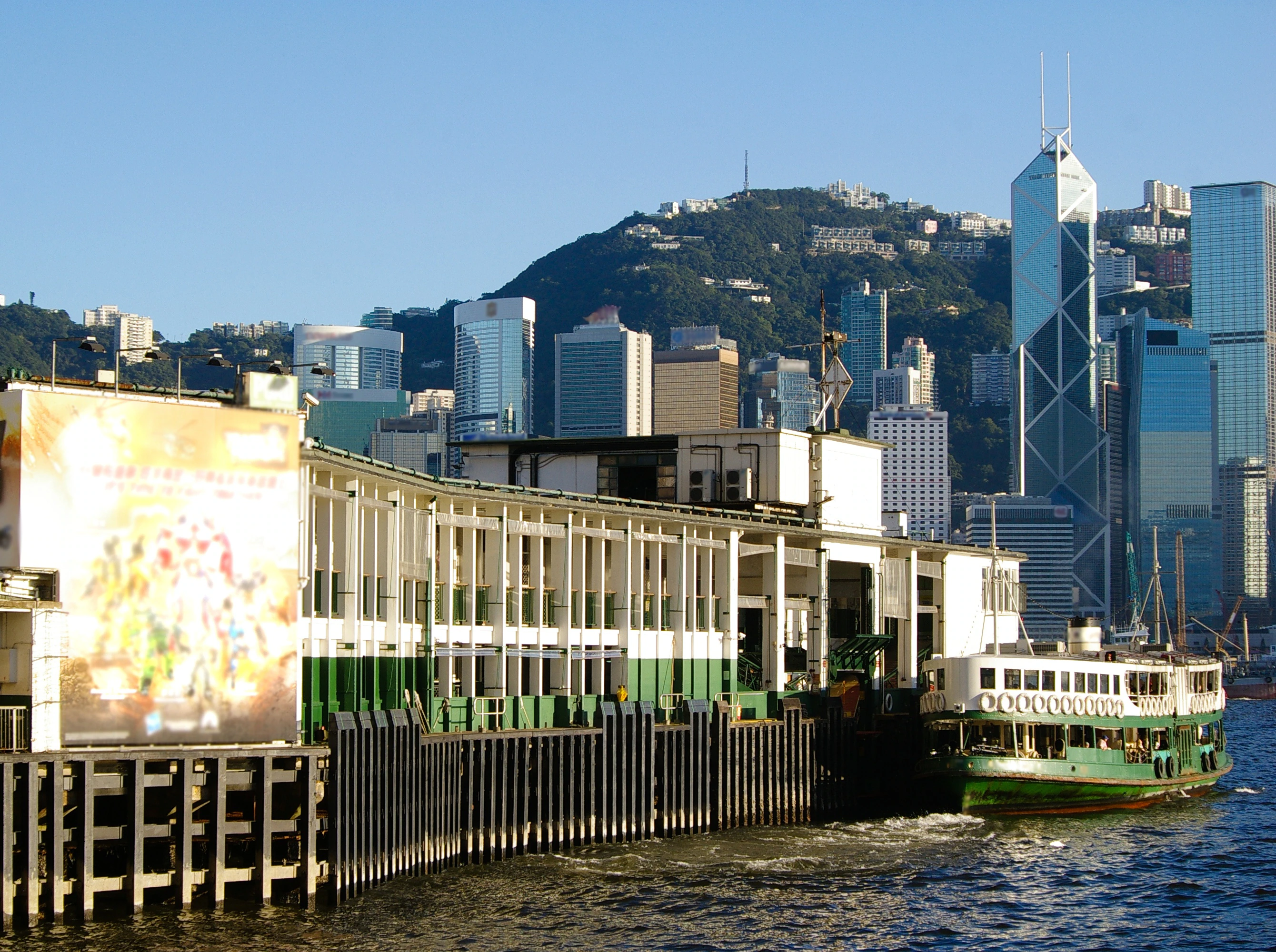
A historic transport hub operating since 1888. It serves as a vital link between Kowloon and Hong Kong Island.
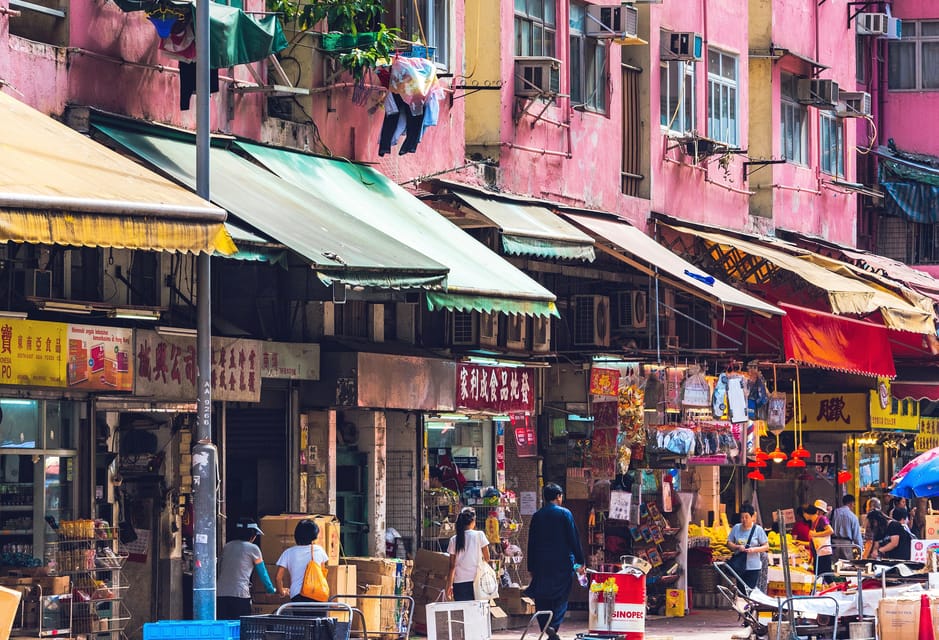
A vibrant night market known for fortune tellers and local cuisine. It is one of the busiest streets in the district.
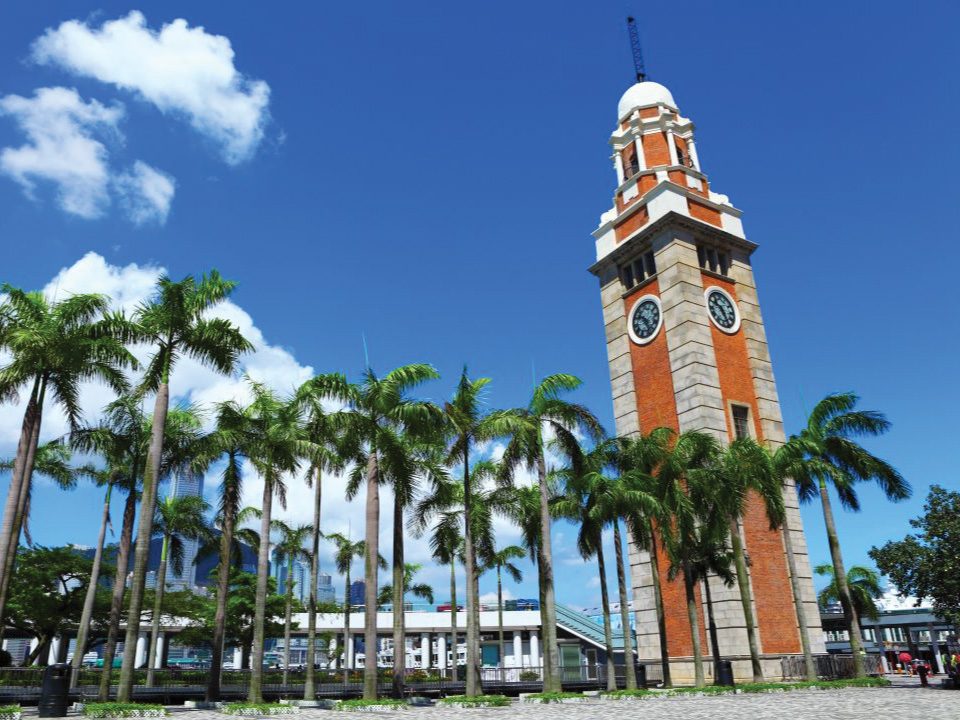
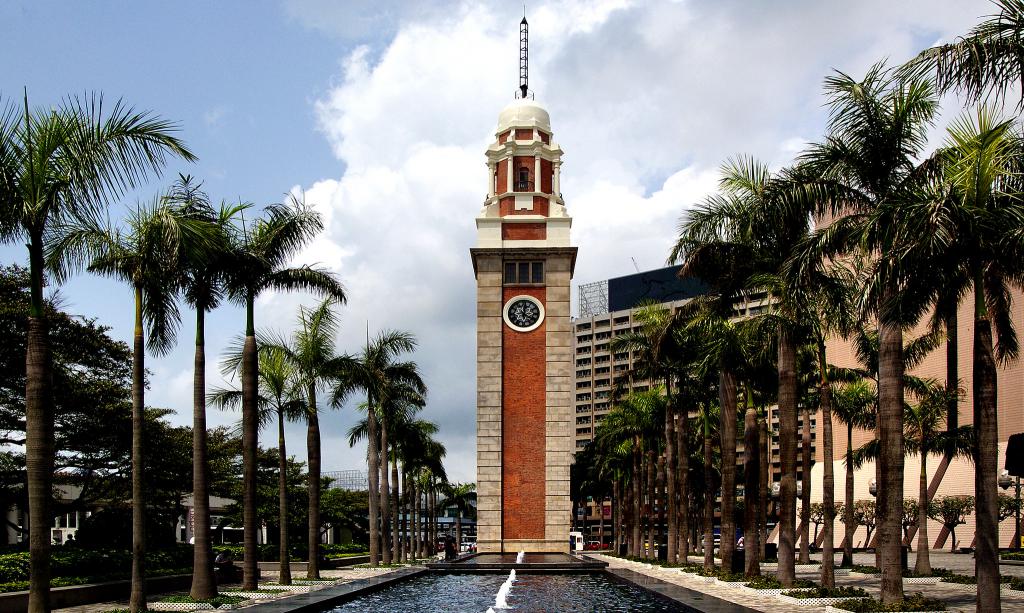
A 44-meter tall granite structure built in 1915. It remains a significant symbol of the colonial railway era.
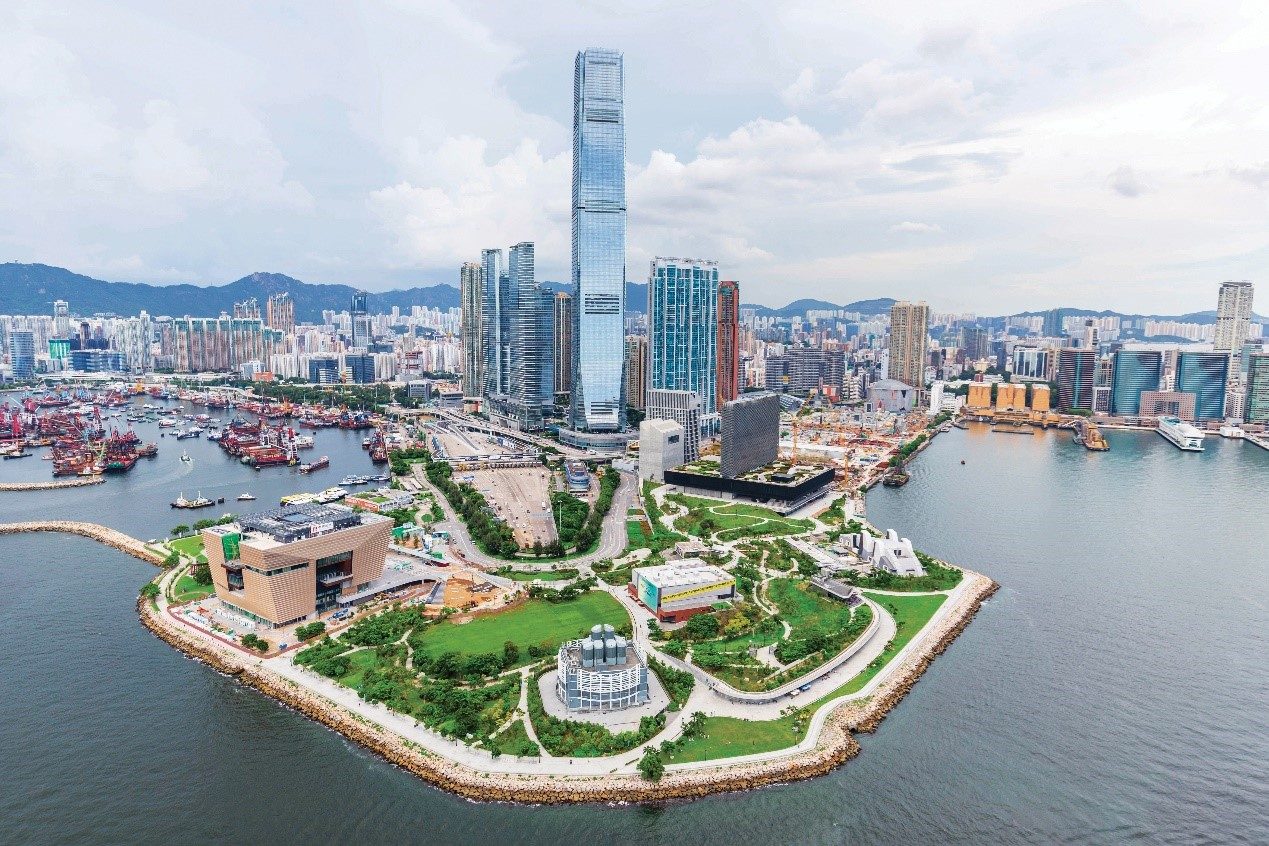
A expansive modern green space integrated with cultural venues. It offers a calm respite from the urban density.
You start at the Clock Tower, where the harbour opens west and the Star Ferry pulls in every eight minutes. Your guide points north up Salisbury Road, and you walk. The pavement widens, then narrows. Within fifteen minutes the towers close overhead and the temperature drops in the shade of the shopfronts.
You stop where the guide stops. A dried seafood merchant weighs scallops into paper. A tea shop measures pu-erh from tins stacked to the ceiling. On a hong kong walking tour kowloon route you learn to read the signage — red for auspicious, gold for jewellery, the height of a shop sign fixed by ordinance since 2010. You climb three flights to a cha chaan teng and taste milk tea strained through a cloth sack. You hold a mahjong tile carved by hand, one of a few dozen carvers left.
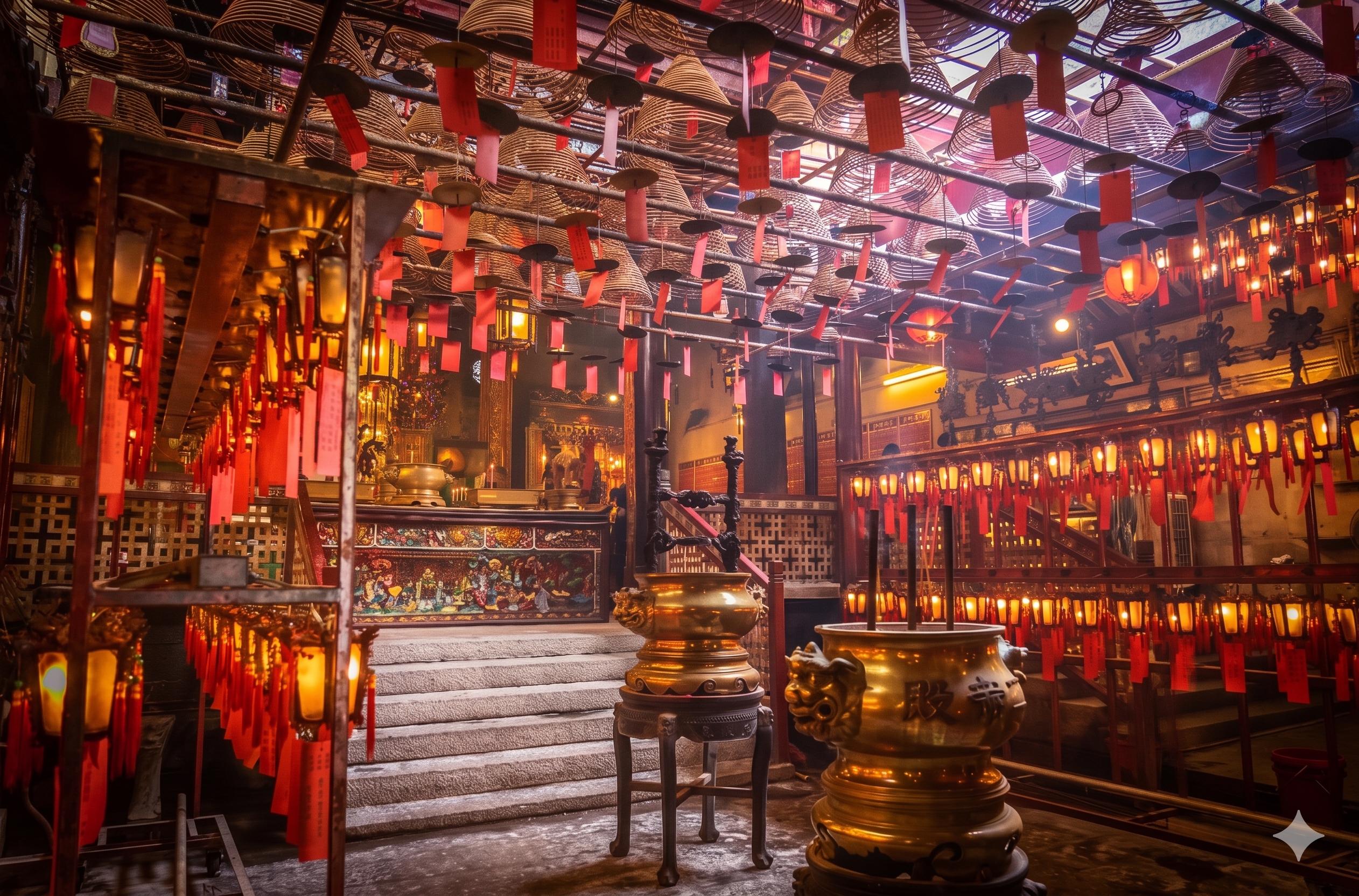
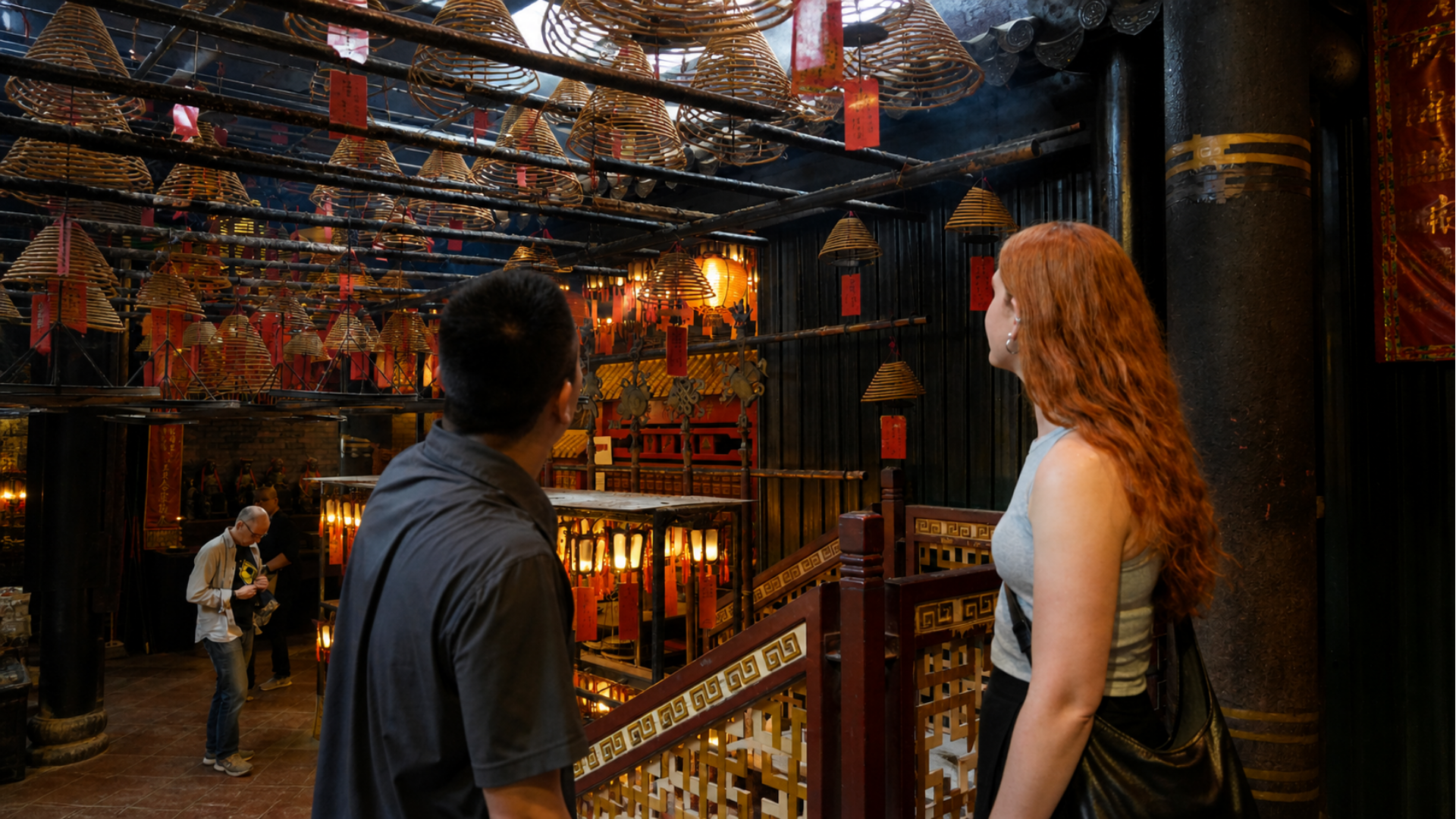
By mid-afternoon you are somewhere in Yau Ma Tei, standing under banyan roots at a temple forecourt while incense coils burn overhead. You pause. The traffic is four metres away and you can barely hear it. Arrive between 09:00 and 17:00 and this whole sequence runs in daylight, with the street food stalls open around you. Whichever hong kong walking tour kowloon tour you choose, you finish tired, salt-stained, and holding a map you no longer need.
All the details about your upcoming adventure in one place
Kowloon holds roughly two million people on a peninsula narrower than most airport runways are long. That density is the subject. The name means "nine dragons" — eight ridgelines behind the waterfront, plus a boy emperor who fled south in 1276 and counted himself the ninth.
Ceded to Britain in 1860, the peninsula spent a century as the working half of the harbour: godowns, ferry piers, rail terminus. The Kowloon Walled City, an ungoverned block of some 33,000 residents in 350 interlocking towers, stood until 1994 and remains the shorthand for what vertical improvisation can produce.
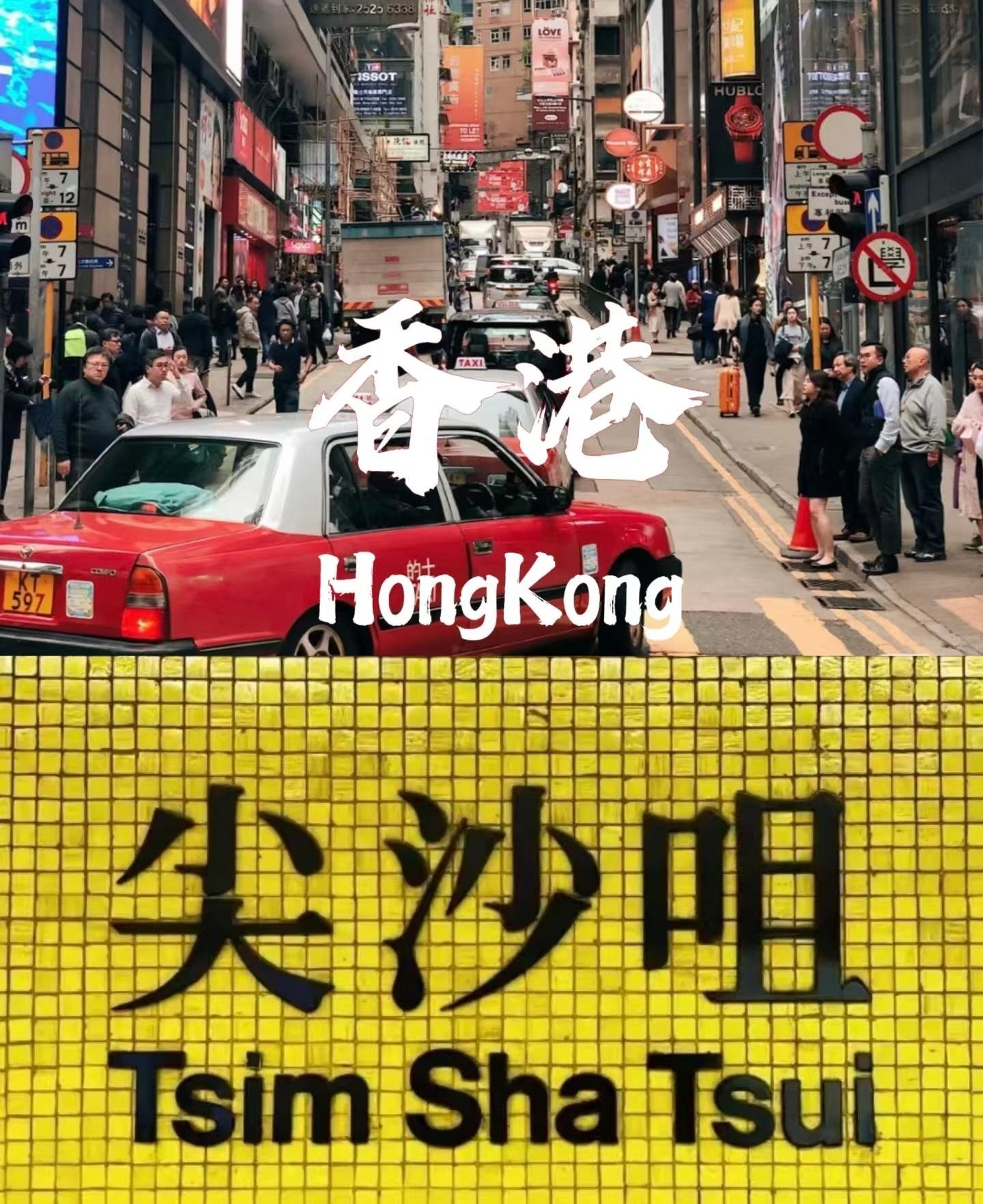
A hong kong walking tour kowloon route reads that compression at street level, where the city is legible in a way no observation deck allows. Nathan Road runs 3.6 kilometres from the harbour to Boundary Street, straight, wide, and lined with signage that once required structural engineering. Off it, the grid tightens. Shanghai Street still sells woks and steamer baskets by the metre. Yau Ma Tei's Tin Hau Temple, dedicated to the sea goddess, sits behind banyan trees that predate the traffic. Chungking Mansions houses residents and traders of more than 120 nationalities in a single 17-storey block.
The architecture is unglamorous and instructive. Tong lau shophouses — narrow frontage, deep floorplate, cantilevered balconies over the pavement — survive in fragments along Prince Edward Road West and Shanghai Street, their tiled facades pressed between towers. The 1921 Yau Ma Tei Police Station shows Edwardian granite. The Clock Tower at Tsim Sha Tsui, 44 metres of red brick and granite, is all that remains of the 1915 Kowloon–Canton Railway terminus, and it still marks the point where the Trans-Siberian route once ended at the water.
This matters now because Kowloon is changing faster than Hong Kong Island. Reclamation has pushed the shoreline hundreds of metres seaward since the 1970s. The West Kowloon Cultural District, M+ and the Palace Museum have added institutional weight where cargo once landed. Wet markets, dai pai dong stalls and gold-lettered pawnshops persist alongside them, unsentimentally, because they still trade. Public routes across the peninsula cost 0 HKD, which places the whole district within reach of anyone with comfortable shoes. Guided hong kong walking tour kowloon tours simply add the reading: who built what, who lives above the shop, and why the signage leans out over the road.

Kowloon is legible at street level in a way no observation deck allows.
Casual and comfortable clothing is recommended for a hong kong walking tour kowloon. Wear breathable fabrics and sturdy walking shoes to navigate busy city sidewalks.
Keep personal belongings secure in a crossbody bag or backpack. Avoid carrying large suitcases as they are difficult to manage on crowded public walkways during a hong kong walking tour kowloon.
Photography is permitted in public spaces throughout the district. Respect the privacy of local residents and shopkeepers while capturing scenes on your hong kong walking tour kowloon.
Families are welcome to explore the area. Keep children close when navigating busy intersections and vibrant market streets.
Kowloon features a mix of modern infrastructure and older streetscapes. Many areas are wheelchair accessible, though some historic alleys may have narrow curbs.
Public street food is a hallmark of the experience. Carry a reusable water bottle, but dispose of all waste in designated public bins.
Opening Hours
00:00–23:59
Address
Kowloon Peninsula, Hong Kong
Accessibility
Public streets vary; some areas have uneven pavement
Optimal Arrival
09:00–17:00
Navigation
Follow official Discover Hong Kong walking routes
Public transport · Varies · Octopus card recommended
Use the MTR to Tsim Sha Tsui or Jordan stations.
Walk · N/A · Free
Accessible from all major Kowloon residential hubs.
Public walking tours are free and do not require formal cancellation. If you have booked a private guide, please refer to your specific operator agreement for refund terms.
Recommended time
3-4 hours
A comprehensive hong kong walking tour kowloon allows travelers to explore vibrant street markets and iconic waterfront vistas. Plan for a half-day commitment to fully experience the atmosphere of these urban landmarks, as shorter hong kong walking tour kowloon tours may miss the nuances of local life. While hong kong walking tour kowloon tickets are not required for public areas, arriving within the 09:00–17:00 window helps visitors navigate the dense urban grid before evening foot traffic peaks.
Crowd levels through the day
Weather · crowds · average price — dots go green to amber to red as each metric rises.
March to May brings pleasant temperatures for walking, though humidity starts to rise.
June to August is hot and humid, perfect for early morning or late afternoon exploration.
September to November offers the most comfortable weather for outdoor city tours.
December to February is cool and dry, ideal for long walks without excessive heat.
Purchase an Octopus card for seamless travel on MTR, buses, and the Star Ferry. It is the most efficient way to pay for transport in the city.
Kowloon is fast-paced. Observe local pedestrians to navigate crowded sidewalks effectively during your hong kong walking tour kowloon.
The summer months are extremely humid. Always carry a water bottle while on your hong kong walking tour kowloon.
Always follow traffic lights and pedestrian signals. Law enforcement in Hong Kong is strict regarding jaywalking.
Use the official site to download offline maps. This ensures you stay on track during your hong kong walking tour kowloon.
Kowloon's recorded history begins long before the British arrived. The Song dynasty court sheltered here in 1277, when the boy emperor Zhao Shi fled Mongol armies; the Sung Wong Toi inscription rock commemorates that retreat, and a surviving fragment now anchors a small garden near Kai Tak. Salt was the peninsula's first industry. The Qing built a fortified yamen in 1847 to watch the newly ceded Hong Kong Island across the harbour. That garrison post became the Kowloon Walled City, and its walls set the terms for the century of anomaly that followed. The 1860 Convention of Peking transferred Kowloon south of Boundary Street to Britain. The 1898 lease of the New Territories excluded the Walled City, leaving a Qing enclave inside a colonial city. Japanese occupation forces demolished its granite walls in 1943 to extend the Kai Tak runway. Post-war refugees filled the vacuum. By 1987 roughly 33,000 people lived on 2.6 hectares, in unregulated towers wired by unlicensed dentists and noodle factories. Demolition began in 1993; the park that replaced it in 1995 preserves the restored yamen and two original stone gate plaques. Any thoughtful hong kong walking tour kowloon route treats that site as its hinge. Colonial fabric survives in parallel. The Kowloon-Canton Railway terminus opened at Tsim Sha Tsui in 1916; only its clock tower remains after the 1978 demolition, now a declared monument. Former Marine Police Headquarters, completed in 1884, stands above Canton Road. St Andrew's Church dates from 1905. Guides leading Kowloon heritage tours read these buildings against the 1953 Shek Kip Mei fire, which destroyed 2,000 huts and forced the resettlement estates that reshaped Sham Shui Po. Reunification in 1997 ended the colonial administration but not its architecture. Most hong kong walking tour kowloon tours now trace this layering deliberately, from Song-era shoreline to reclaimed waterfront. Independent hong kong walking tour kowloon tickets are unnecessary for public routes, though guided operators sell them; the free self-led hong kong walking tour kowloon tour remains the historian's option among Hong Kong landmarks.
The Song court fled to Kowloon, an episode later marked by the Sung Wong Toi inscription rock.
Qing officials completed a walled garrison and yamen to observe British-held Hong Kong Island.
The Convention of Peking ceded Kowloon south of Boundary Street to Britain.
The New Territories lease explicitly excluded the Walled City, creating a Chinese enclave.
The Kowloon-Canton Railway terminus opened at Tsim Sha Tsui.
Japanese occupation forces demolished the Walled City's granite walls for Kai Tak runway material.
The Shek Kip Mei fire destroyed some 2,000 squatter huts and triggered public resettlement housing.
The Walled City was demolished and replaced by a park preserving the restored yamen.
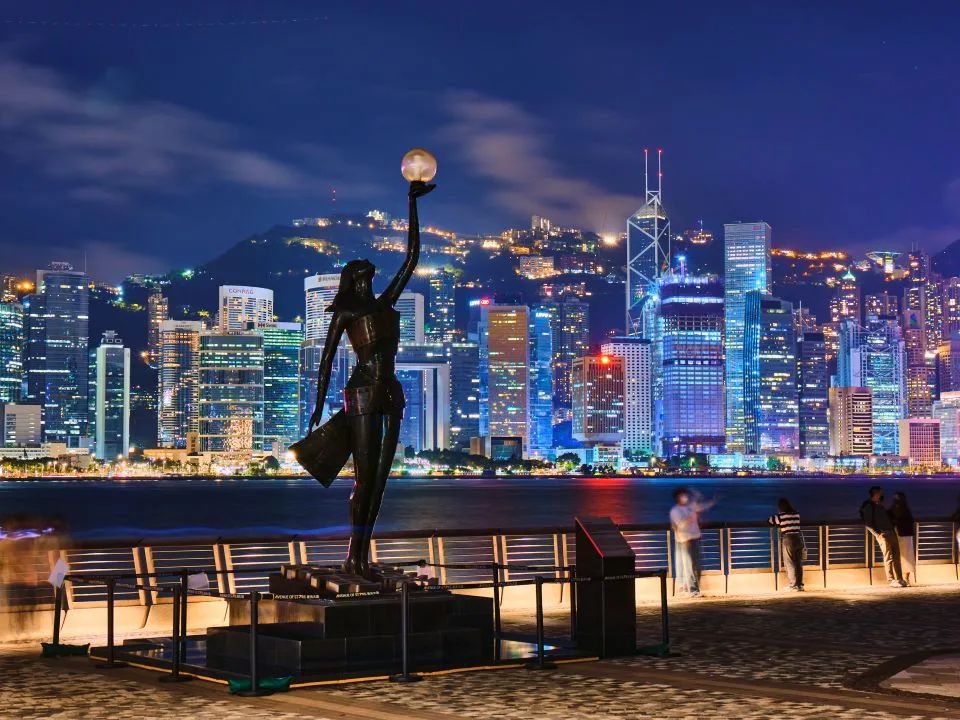
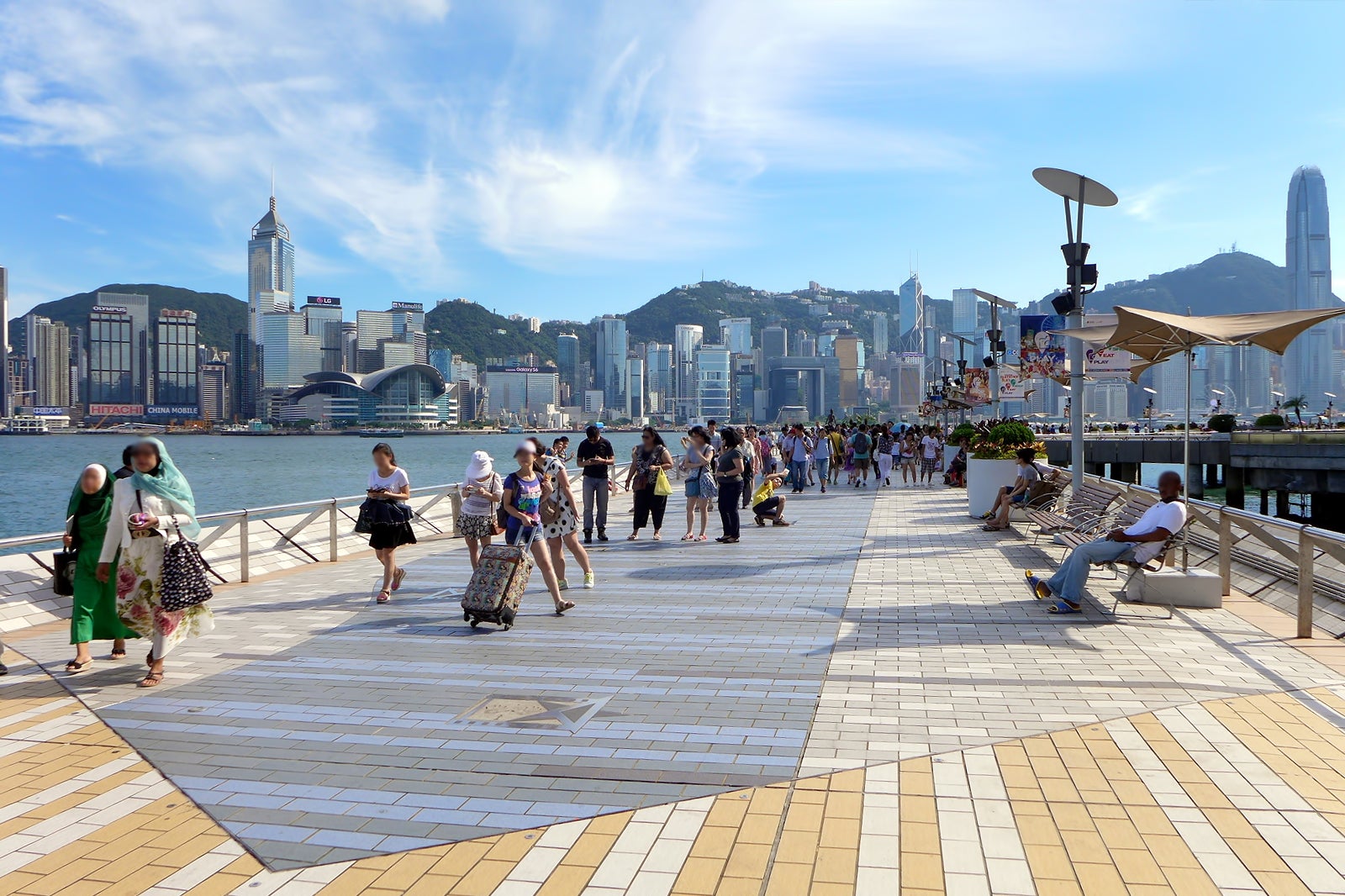
Stand near the bronze statue of Bruce Lee to capture the Victoria Harbour waterfront and the iconic skyline. This location serves as an ideal anchor for any hong kong walking tour kowloon.
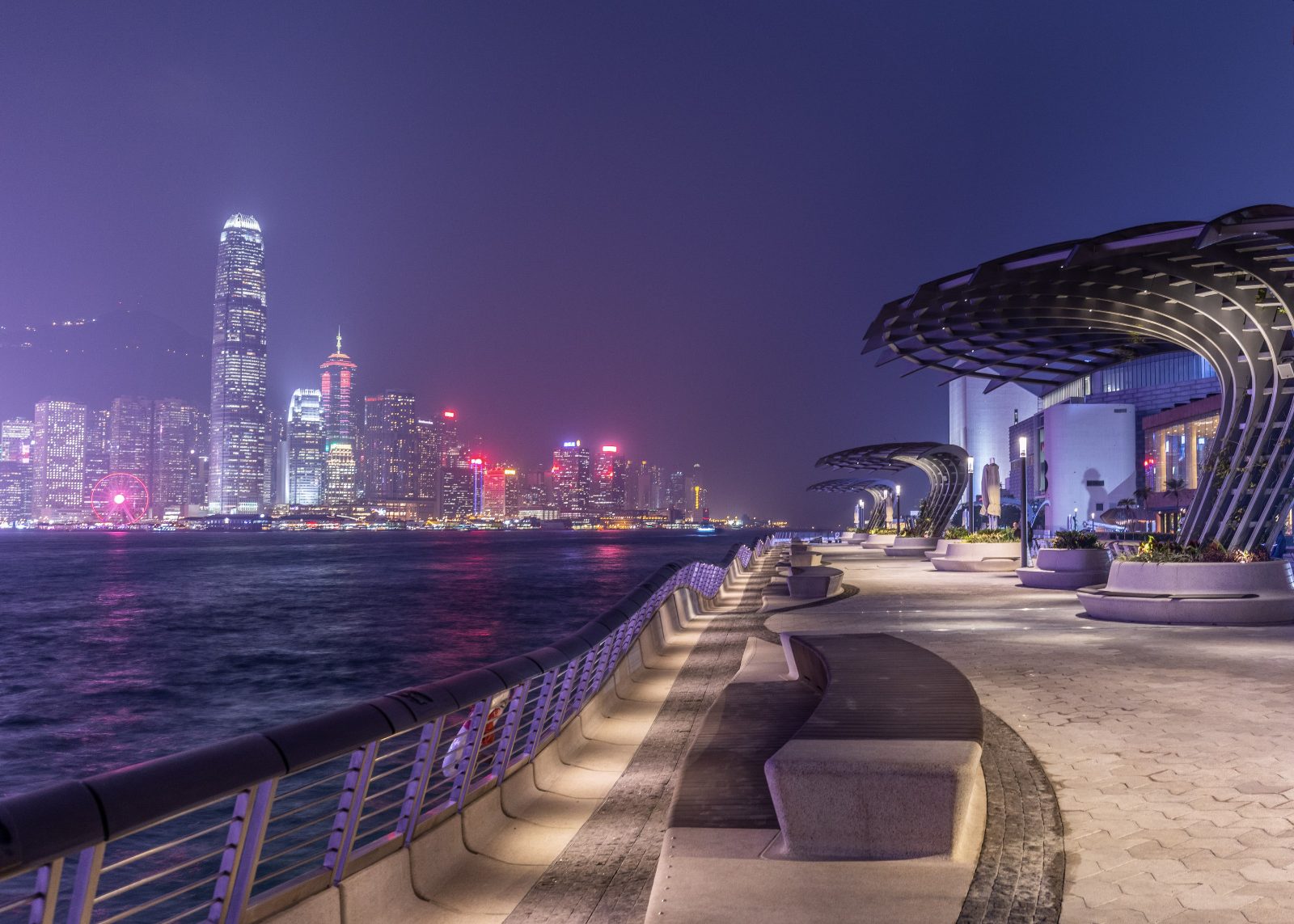
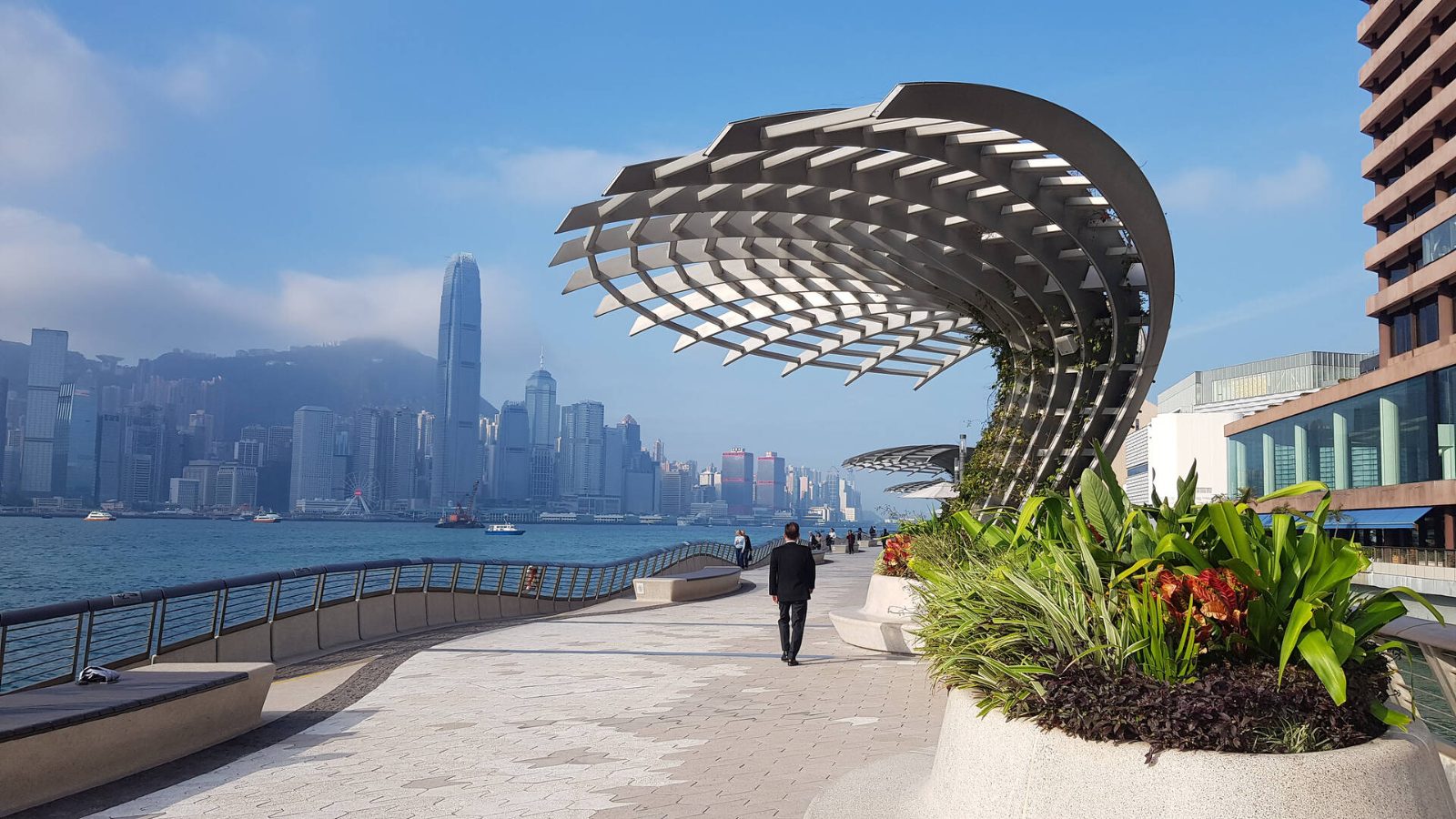
Position yourself along the wooden decking for a wide-angle perspective of the urban landscape across the water. This spot offers clear sightlines of the Star Ferry terminal and local maritime activity for your hong kong walking tour kowloon tour.
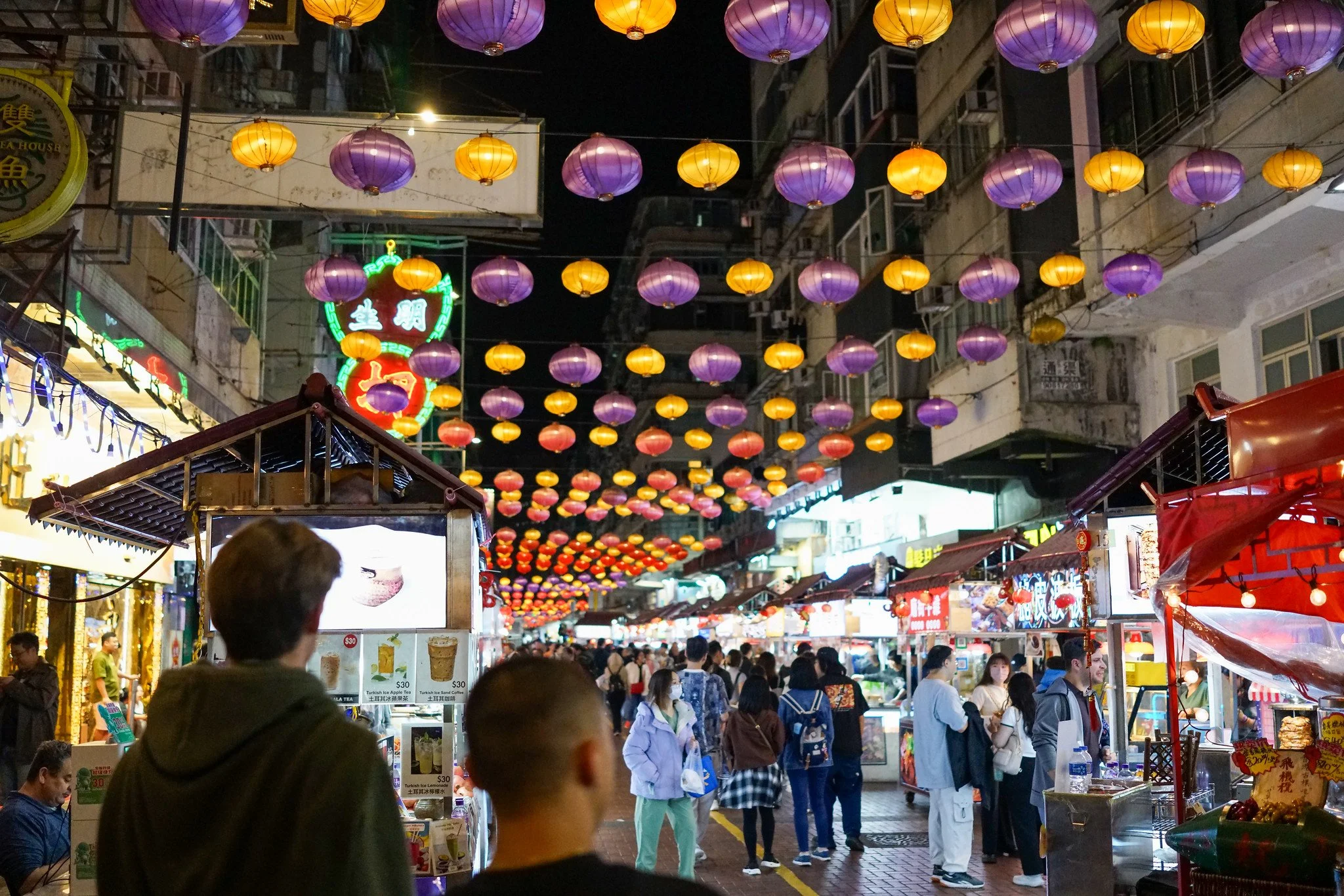
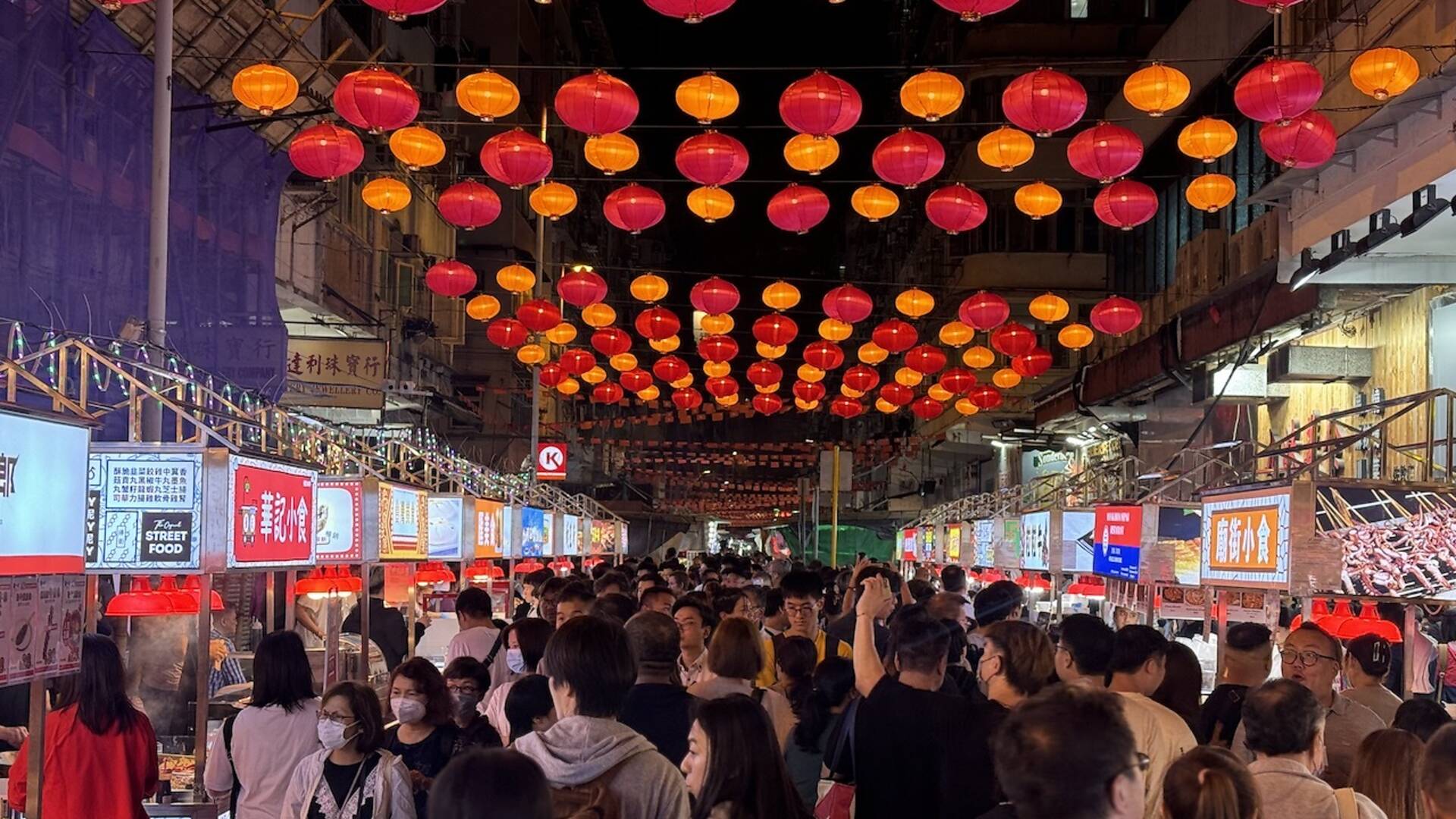
Capture the vibrant red lanterns and bustling atmosphere between the stalls of this historic street. Photographers often use a long exposure to highlight the movement of crowds during hong kong walking tour kowloon tours.
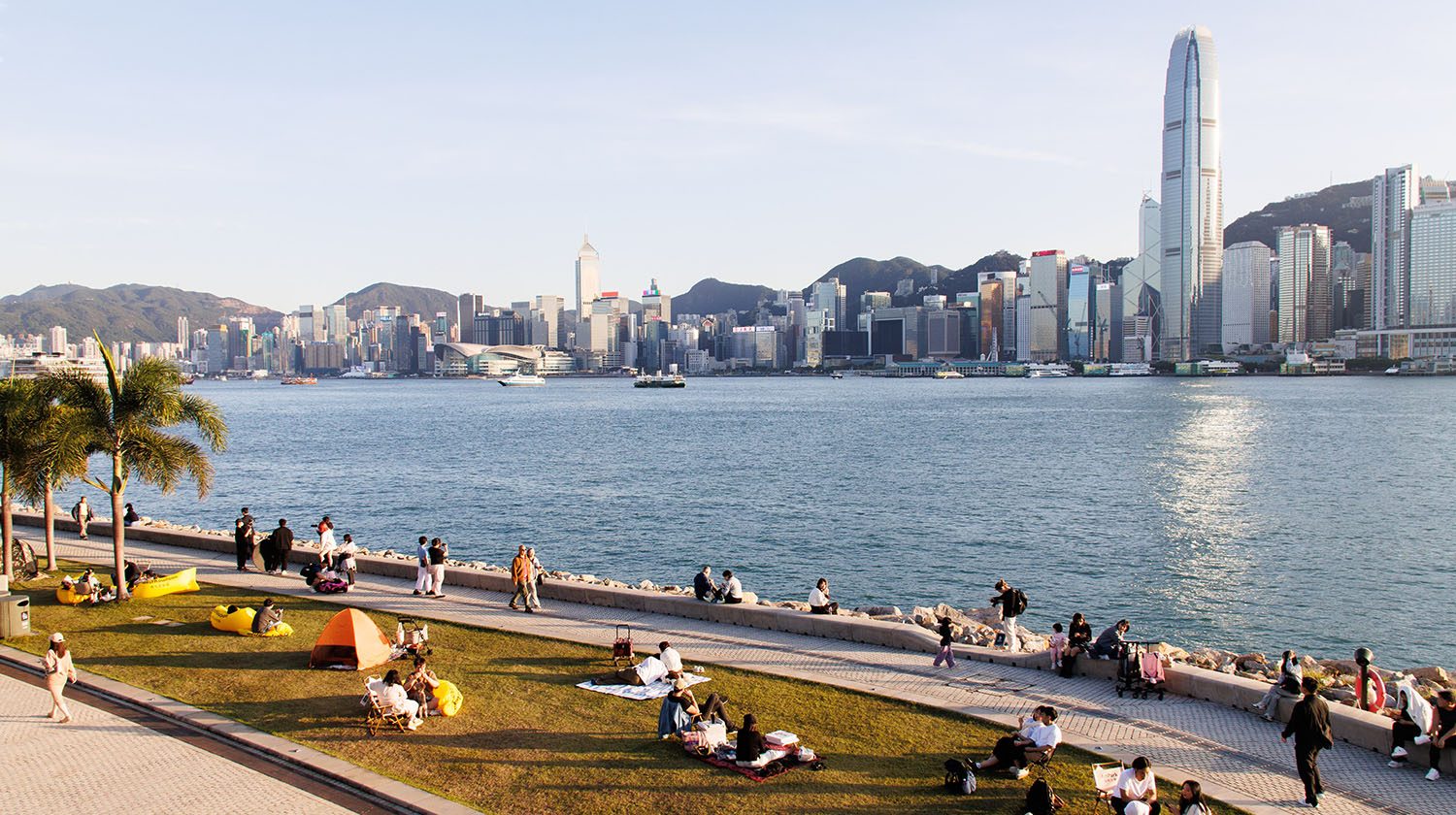
Find the grass-covered waterfront terraces to frame the M+ building and the distant skyscrapers. This modern area is a popular stop for those seeking tickets for a hong kong walking tour kowloon that emphasizes contemporary architecture.
Exploring the Kowloon Peninsula on a hong kong walking tour kowloon provides families with an engaging way to experience the local street culture. Parents will appreciate the flat terrain, though managing crowds requires extra attention when navigating busy sidewalks.
Compact strollers are recommended as the urban sidewalks can be crowded and narrow in some districts. While most areas are accessible, be prepared to lift the stroller over occasional curbs or steps found during a hong kong walking tour kowloon tour.
School-aged children typically enjoy the vibrant signage and street performers, while toddlers may need more breaks. This family-oriented hong kong walking tour kowloon tickets option works best when you keep the pace relaxed for little legs.
Public restrooms are available in nearby shopping malls and public parks throughout the area. Look for modern plazas along the route for reliable baby-change facilities.
The best arrival window is 09:00–17:00 to ensure your family avoids the peak congestion of evening rush hour. A moderate walking pace allows you to enjoy the cityscape and local landmarks without rushing.
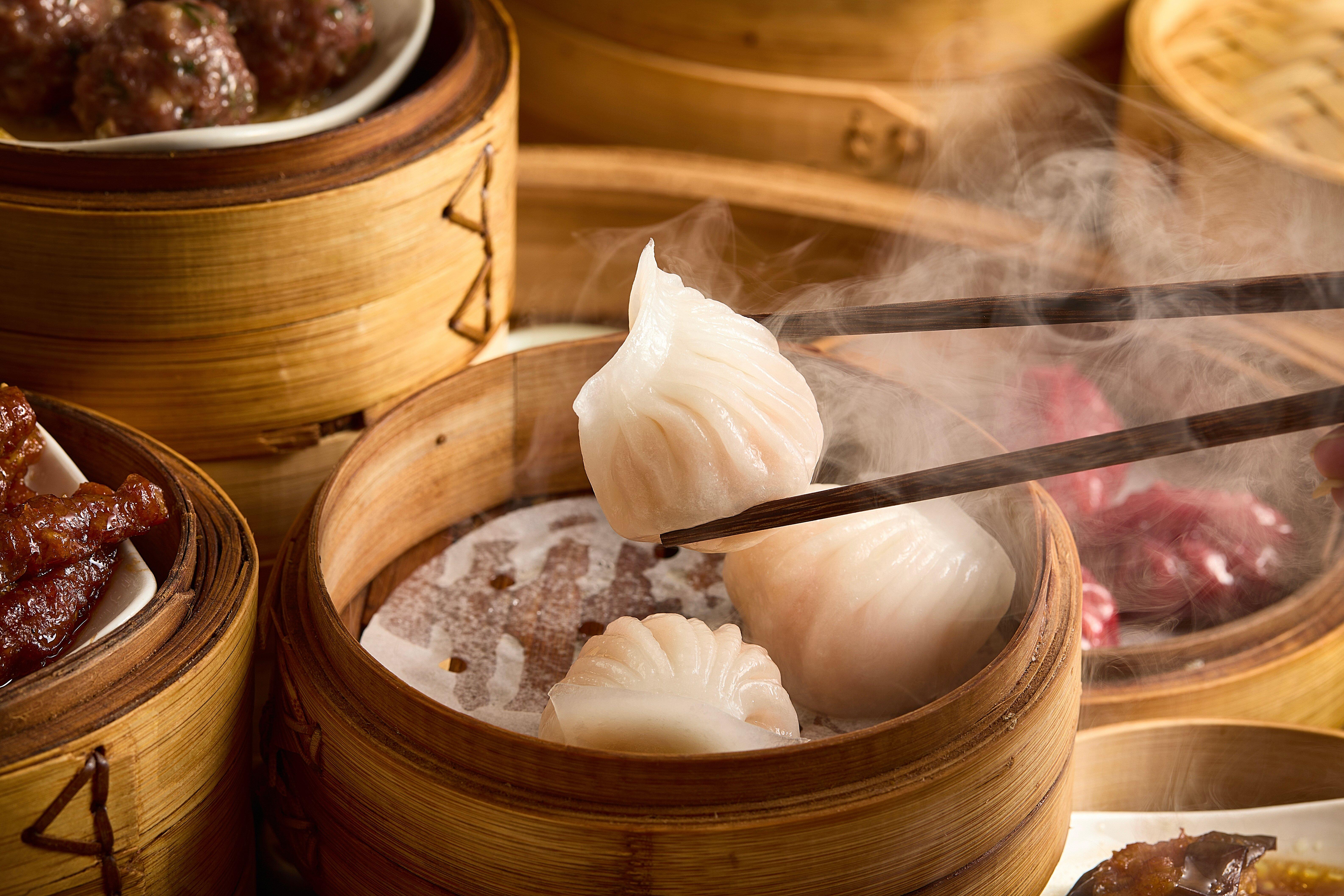
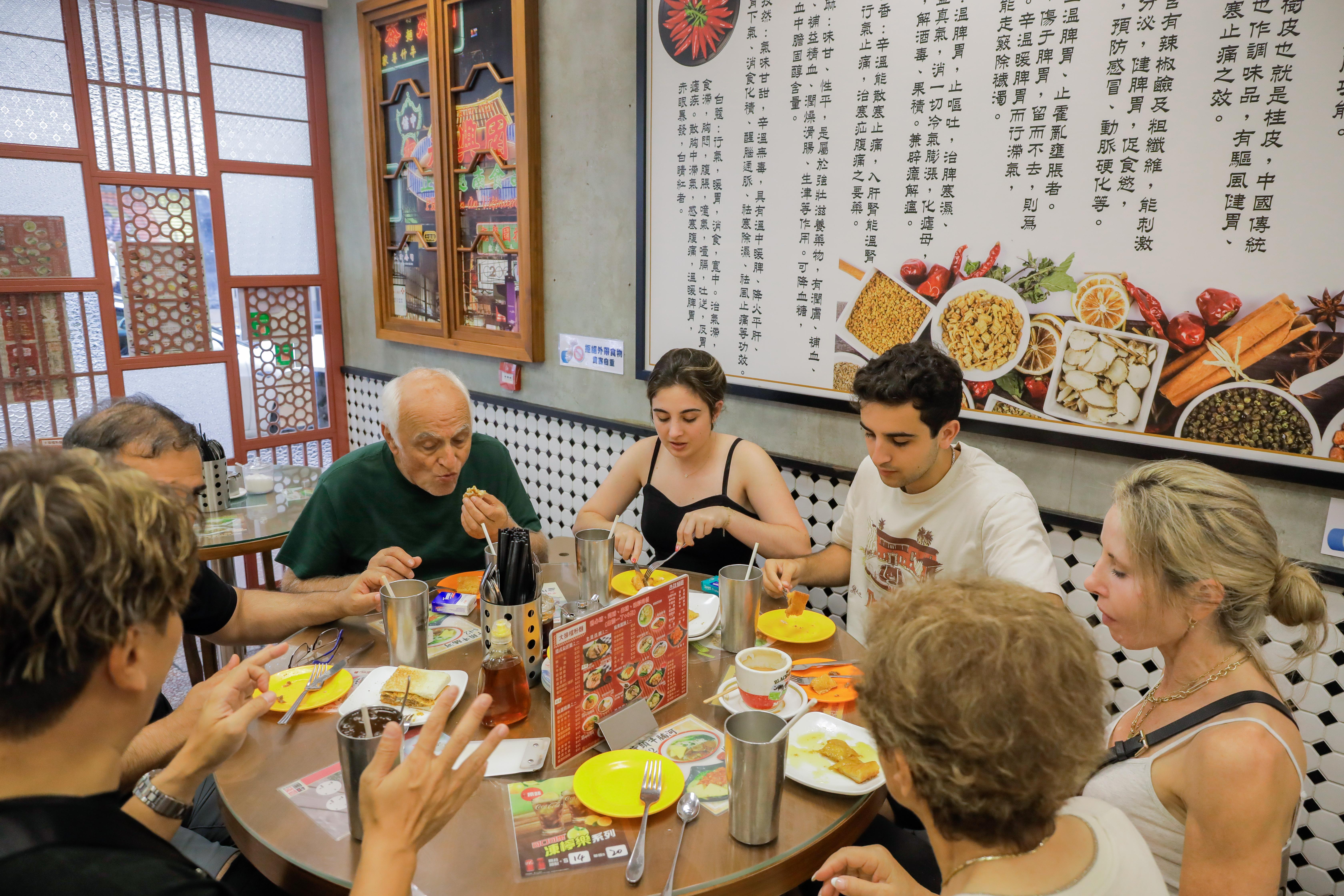
You will find numerous tea cafes and casual eateries that cater to families near the main walking paths. Many spots offer quick, kid-friendly options like dim sum or localized snacks suitable for a midday rest.
Exploring the vibrant street markets and culinary hubs near your hong kong walking tour kowloon offers a true taste of local life. Visitors can easily find authentic eateries and diverse street food options within the Kowloon Peninsula, Hong Kong landmarks.
Famous for shrimp wonton noodles, this Michelin-recommended spot is perfect for a quick, traditional meal during your hong kong walking tour kowloon tours.
Everything you need to know for your journey
The area is open 00:00–23:59 daily, allowing you to explore at your own pace.
There is a 0 HKD entrance fee for public walking tours in the area.
No tickets are required for public access; you may simply arrive and begin walking.
Yes, most areas are accessible, though navigating crowded markets can be challenging with strollers.
The recommended arrival window is 09:00–17:00 at the Tsim Sha Tsui waterfront.
Yes, photography is permitted in all public areas during your hong kong walking tour kowloon.
We recommend the 09:00–17:00 arrival window for the best light and activity levels.
Yes, you will find numerous street food vendors throughout your hong kong walking tour kowloon.
The most convenient way is via the MTR to Tsim Sha Tsui or by using the Star Ferry.
A waterfront walkway celebrating Hong Kong film history.
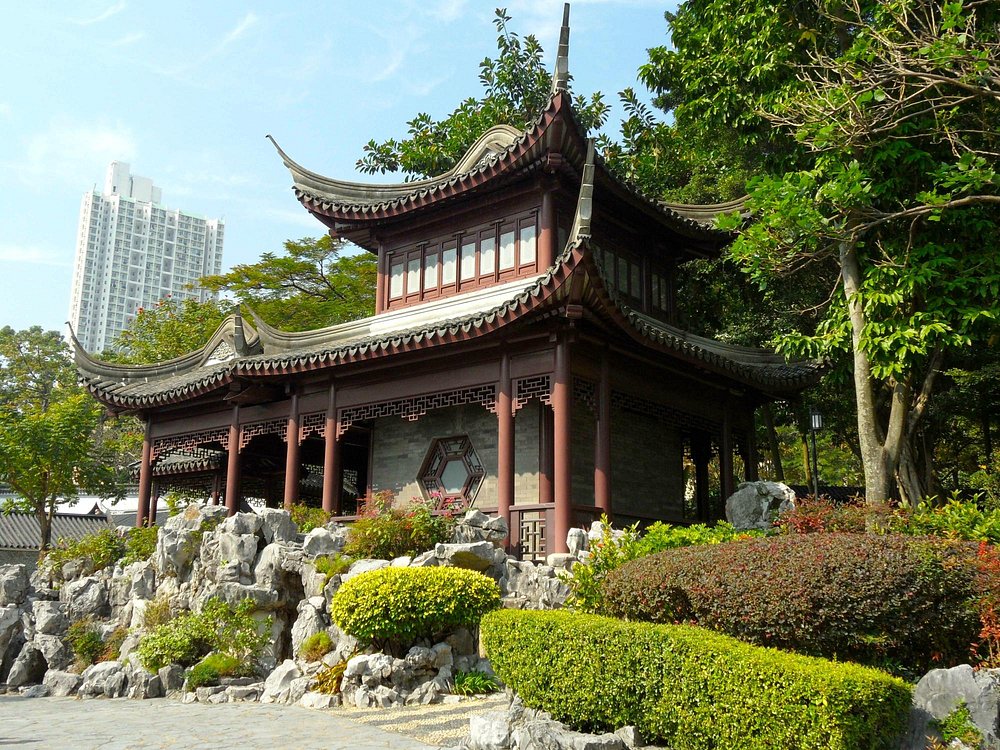
A large green space featuring Chinese gardens and bird lakes.
A historic red brick tower remnant of the old railway station.
A famous thoroughfare known for its dense retail presence.
High-end hotels overlooking the Victoria Harbour waterfront.
Central district known for local culture and street food.
Bustling area with affordable boutique and guest house options.
Join thousands of happy travelers who have discovered this incredible experience
Book Your Experience Now